

Can a disc plough be used in rocky soil? This is a question that often arises among farmers and agricultural enthusiasts, especially those dealing with challenging terrains. As a disc plough supplier, I've had numerous discussions with customers about the suitability of our equipment in various soil conditions, including rocky soil. In this blog post, I'll delve into the details of using a disc plough in rocky soil, exploring its feasibility, potential challenges, and how to make the most of this powerful agricultural implement.
Understanding the Disc Plough
Before we discuss its use in rocky soil, let's briefly understand what a disc plough is. A disc plough consists of a series of concave discs that are mounted on a frame. These discs are designed to cut through the soil, turning it over and burying crop residues, weeds, and other organic matter. The primary function of a disc plough is to prepare the soil for planting by breaking up compacted soil layers and creating a loose, aerated seedbed.
Disc ploughs come in different sizes and configurations, with varying numbers of discs and disc diameters. The choice of disc plough depends on several factors, including the type of soil, the size of the field, and the power of the tractor used to pull it.

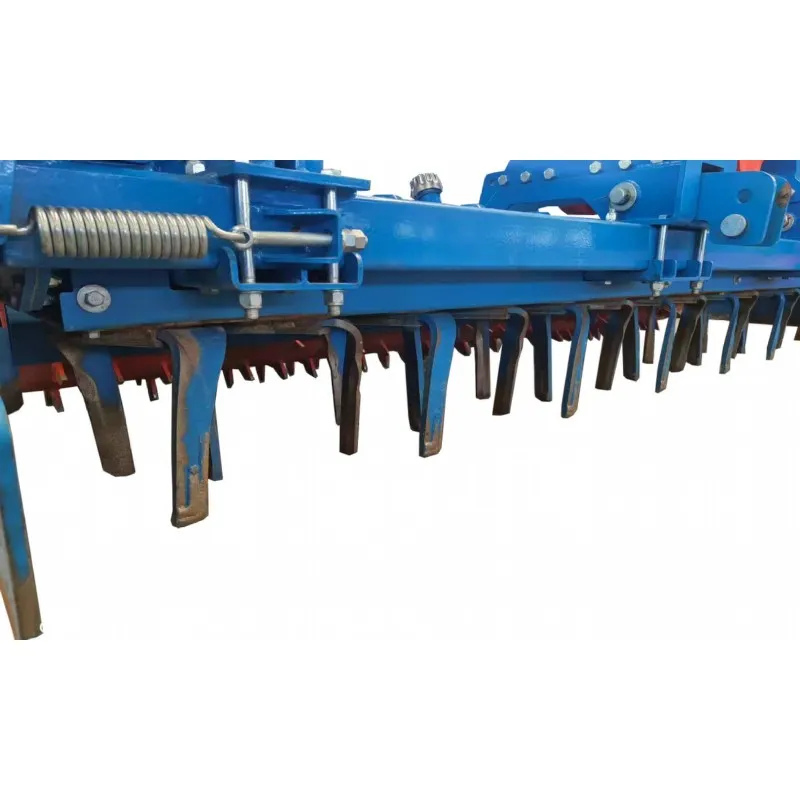
Feasibility of Using a Disc Plough in Rocky Soil
Using a disc plough in rocky soil is indeed possible, but it comes with its own set of challenges. Rocky soil can be extremely hard and abrasive, which can put a significant strain on the disc plough. The rocks can cause damage to the discs, bearings, and other components of the plough, leading to increased maintenance and repair costs.
However, with the right approach and equipment, a disc plough can be an effective tool for working in rocky soil. Modern disc ploughs are designed with heavy-duty components that can withstand the rigors of rocky terrain. For example, some disc ploughs feature reinforced discs made from high-quality steel, which are more resistant to wear and tear. Additionally, the bearings and other moving parts are often designed to be more durable and require less maintenance.
Potential Challenges
When using a disc plough in rocky soil, there are several potential challenges that farmers need to be aware of:
- Disc Damage: The most significant challenge is the risk of disc damage. Rocks can cause the discs to chip, crack, or become deformed, which can affect their performance and efficiency. In some cases, the discs may need to be replaced, which can be costly.
- Bearing Wear: The constant impact of rocks on the disc plough can also cause excessive wear on the bearings. This can lead to increased friction, reduced efficiency, and eventually, bearing failure. Regular maintenance and lubrication are essential to minimize bearing wear.
- Tractor Strain: Working in rocky soil requires more power from the tractor to pull the disc plough. This can put a strain on the tractor's engine, transmission, and other components, leading to increased fuel consumption and potential mechanical problems.
- Uneven Tillage: Rocks in the soil can cause the disc plough to bounce and skip, resulting in uneven tillage. This can make it difficult to achieve a uniform seedbed, which can affect crop germination and growth.
Tips for Using a Disc Plough in Rocky Soil
Despite the challenges, there are several tips that farmers can follow to make the most of a disc plough in rocky soil:
- Inspect the Field: Before using the disc plough, it's important to inspect the field for large rocks and other obstacles. Remove any large rocks that could cause damage to the plough. This can help reduce the risk of disc damage and improve the overall performance of the plough.
- Choose the Right Disc Plough: Select a disc plough that is specifically designed for use in rocky soil. Look for a plough with heavy-duty components, such as reinforced discs and durable bearings. Additionally, consider the size and configuration of the plough to ensure it is suitable for the size of your field and the power of your tractor.
- Adjust the Depth and Angle: Adjust the depth and angle of the discs according to the soil conditions. In rocky soil, it may be necessary to set the discs at a shallower depth to reduce the impact of the rocks. Additionally, adjusting the angle of the discs can help improve their cutting ability and reduce the risk of disc damage.
- Use a Rock Guard: Some disc ploughs come with a rock guard, which is a protective shield that helps prevent rocks from hitting the discs. If your disc plough does not have a rock guard, you can consider adding one to reduce the risk of disc damage.
- Maintain the Disc Plough Regularly: Regular maintenance is essential to keep the disc plough in good working condition. This includes lubricating the bearings, checking the discs for damage, and tightening any loose bolts or nuts. By maintaining the plough regularly, you can extend its lifespan and reduce the risk of breakdowns.
Other Agricultural Implements for Rocky Soil
In addition to a disc plough, there are other agricultural implements that can be used in rocky soil. These implements can complement the disc plough and help improve the overall efficiency of soil preparation.
- Pneumatic Seeder: A pneumatic seeder is a precision seeding machine that uses air pressure to distribute seeds evenly across the field. It can be used in rocky soil to plant seeds directly into the ground, without the need for extensive soil preparation.
- Driven Harrow: A driven harrow is a versatile implement that can be used for soil cultivation, weed control, and seedbed preparation. It consists of a series of rotating tines that break up the soil and mix in organic matter. A driven harrow can be particularly effective in rocky soil, as it can help loosen the soil and remove small rocks and debris.
- European Style Trailer: A European style trailer can be used to transport heavy equipment and materials across the field. It is designed to be durable and stable, making it suitable for use in rocky terrain.
Conclusion
In conclusion, a disc plough can be used in rocky soil, but it requires careful consideration and proper maintenance. By choosing the right disc plough, adjusting the settings, and following the tips outlined in this blog post, farmers can effectively use a disc plough to prepare the soil for planting in rocky terrain. Additionally, complementing the disc plough with other agricultural implements, such as a pneumatic seeder, driven harrow, or European style trailer, can help improve the overall efficiency of soil preparation and increase crop yields.
If you're interested in purchasing a disc plough or other agricultural implements for use in rocky soil, I encourage you to contact us. Our team of experts can help you choose the right equipment for your specific needs and provide you with the support and guidance you need to get the most out of your investment.
References
- "Agricultural Machinery and Equipment Handbook" by John Smith
- "Soil Management in Rocky Terrain" by Jane Doe
- "Best Practices for Using Disc Ploughs in Challenging Soil Conditions" by Agricultural Research Institute


