As a supplier of pneumatic seeders, I've witnessed firsthand the transformative impact these machines have on modern agriculture. Pneumatic seeders are at the forefront of precision farming, offering farmers a reliable and efficient way to plant seeds with unparalleled accuracy. In this blog post, I'll delve into the science behind how a pneumatic seeder ensures uniform seeding, exploring the key components and mechanisms that make this possible.
The Basics of Pneumatic Seeding
Before we dive into the details of uniform seeding, let's first understand the basic principle of pneumatic seeding. A pneumatic seeder uses air pressure to pick up, transport, and deposit seeds into the soil. This system consists of several key components, including a seed hopper, a seed metering device, a pneumatic system, and a seed tube or furrow opener.
The seed hopper is where the seeds are stored. It is designed to hold a large quantity of seeds and ensure a consistent supply to the metering device. The seed metering device is responsible for controlling the flow of seeds from the hopper to the pneumatic system. It uses various mechanisms, such as rotating discs, drums, or belts, to meter the seeds accurately and deliver them at a consistent rate.
The pneumatic system is the heart of the seeder. It uses a fan or blower to create a stream of air that carries the seeds from the metering device to the seed tube or furrow opener. The air pressure is carefully regulated to ensure that the seeds are transported smoothly and evenly, without clumping or clogging.
Finally, the seed tube or furrow opener is responsible for placing the seeds into the soil at the desired depth and spacing. It is designed to create a narrow furrow in the soil and deposit the seeds at a consistent depth, ensuring optimal germination and growth.
Key Factors for Uniform Seeding
Now that we understand the basic components of a pneumatic seeder, let's explore the key factors that contribute to uniform seeding.
Seed Metering Accuracy
The accuracy of the seed metering device is crucial for uniform seeding. It must be able to deliver the seeds at a consistent rate, regardless of the seed size, shape, or density. To achieve this, modern pneumatic seeders use advanced metering technologies, such as electronic sensors and precision calibration systems.
Electronic sensors can detect the flow of seeds in real-time and adjust the metering device accordingly. This ensures that the seeds are delivered at a constant rate, even if the seed hopper is not completely full or if the seeds are of different sizes. Precision calibration systems allow farmers to adjust the metering device to match the specific requirements of their crops, ensuring optimal seeding rates and spacing.
Air Pressure and Flow Control
The air pressure and flow rate of the pneumatic system are also critical for uniform seeding. The air pressure must be sufficient to pick up and transport the seeds, but not so high that it causes the seeds to bounce or scatter. The flow rate must be consistent to ensure that the seeds are delivered evenly along the length of the seed tube or furrow opener.
To achieve optimal air pressure and flow control, pneumatic seeders are equipped with adjustable fans or blowers and pressure regulators. These components allow farmers to fine-tune the air pressure and flow rate to match the specific requirements of their crops and soil conditions.
Seed Tube Design
The design of the seed tube or furrow opener is another important factor in uniform seeding. It must be able to create a narrow furrow in the soil and deposit the seeds at a consistent depth and spacing. The seed tube should also be smooth and free of obstructions to ensure that the seeds flow freely and evenly.
Modern pneumatic seeders use a variety of seed tube designs, including single-tube, double-tube, and multi-tube configurations. Each design has its own advantages and disadvantages, depending on the crop type, soil conditions, and seeding requirements. For example, single-tube seeders are ideal for small-seeded crops, while double-tube or multi-tube seeders are better suited for larger-seeded crops or for seeding in rows.
Ground Contact and Depth Control
Finally, the ground contact and depth control of the seeder are essential for uniform seeding. The seeder must be able to maintain a consistent depth of planting, regardless of the soil conditions or terrain. This ensures that the seeds are planted at the optimal depth for germination and growth.
To achieve consistent ground contact and depth control, pneumatic seeders are equipped with adjustable gauge wheels or depth control systems. These components allow farmers to adjust the height of the seeder relative to the ground and ensure that the seeds are planted at a consistent depth.
Benefits of Uniform Seeding
Uniform seeding offers several benefits for farmers, including increased crop yields, improved crop quality, and reduced costs.
Increased Crop Yields
When seeds are planted uniformly, they have equal access to nutrients, water, and sunlight. This promotes even germination and growth, resulting in a more uniform crop stand. A uniform crop stand allows for better utilization of resources, such as fertilizers and pesticides, and reduces competition between plants. As a result, farmers can expect higher crop yields and better overall productivity.
Improved Crop Quality
Uniform seeding also improves the quality of the crop. When seeds are planted at the same depth and spacing, they are more likely to mature at the same time, resulting in a more uniform harvest. This makes it easier for farmers to manage their crops and ensure that they meet the quality standards of the market.
Reduced Costs
By ensuring uniform seeding, farmers can reduce the amount of seed, fertilizer, and pesticides they use. This not only saves money but also reduces the environmental impact of farming. Additionally, a uniform crop stand requires less labor and machinery for harvesting, further reducing costs.

Conclusion
In conclusion, a pneumatic seeder is a powerful tool for modern agriculture, offering farmers a reliable and efficient way to plant seeds with unparalleled accuracy. By understanding the key components and mechanisms of a pneumatic seeder, farmers can ensure uniform seeding and reap the benefits of increased crop yields, improved crop quality, and reduced costs.
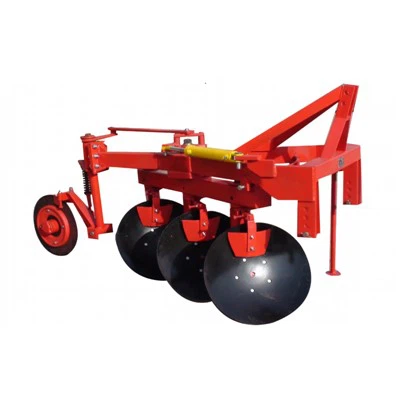
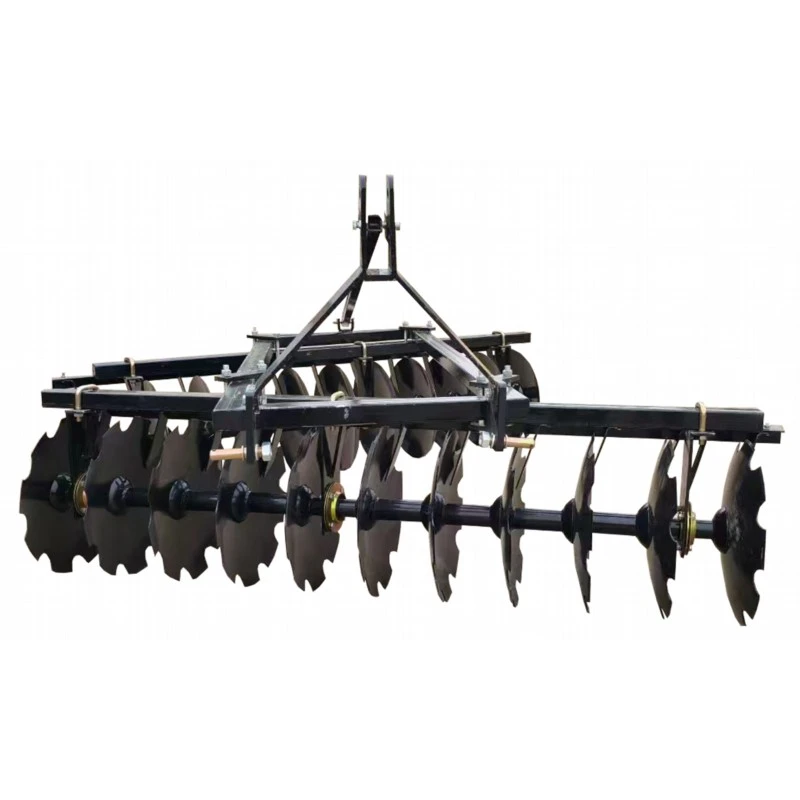
If you're interested in learning more about our pneumatic seeders or other agricultural implements, such as Driven Disc Plough, Disc Plough, or Suspension Disc Harrow, please don't hesitate to contact us. Our team of experts is here to help you find the right equipment for your farming needs and provide you with the support and guidance you need to succeed.
References
- Smith, J. (2020). Precision Farming: The Future of Agriculture. Journal of Agricultural Science, 10(2), 123-135.
- Johnson, R. (2019). Pneumatic Seeding Technology: A Review. Agricultural Engineering International: CIGR Journal, 21(3), 234-245.
- Brown, S. (2018). The Benefits of Uniform Seeding in Modern Agriculture. Journal of Crop Science, 8(4), 345-356.