Hey there! As a supplier of pneumatic seeders, I'm super stoked to chat with you about how these awesome machines work. So, let's dive right in.
Understanding the Basics of a Pneumatic Seeder
First off, what's a pneumatic seeder? Well, it's a type of seeding machine that uses air pressure to dispense seeds evenly and accurately across a field. This is a big step up from traditional seeding methods that might not be as precise.
The main components of a pneumatic seeder include a seed hopper, a metering system, an air blower, and seed tubes. Each part plays a crucial role in getting those seeds into the ground just right.
The Seed Hopper
The seed hopper is like the storage unit of the pneumatic seeder. It's where you load all the seeds you want to plant. It's designed to hold a large quantity of seeds, so you don't have to keep stopping to refill it. The hopper is also built to ensure that the seeds flow smoothly towards the metering system.
The Metering System
This is the heart of the pneumatic seeder. The metering system is responsible for controlling the amount of seeds that are dispensed. It uses a series of rotating discs or drums with small holes or indentations. As the discs or drums turn, they pick up a specific number of seeds and release them at a consistent rate. This ensures that the seeds are spaced evenly in the field, which is super important for proper plant growth.
The Air Blower
The air blower is what makes the whole pneumatic system work. It creates a stream of high - pressure air that carries the seeds from the metering system through the seed tubes and into the ground. The air pressure needs to be just right. If it's too low, the seeds might not travel through the tubes properly. If it's too high, it could damage the seeds.
The Seed Tubes
The seed tubes are the pathways that the seeds travel through. They carry the seeds from the metering system to the soil. These tubes are usually made of durable materials to withstand the wear and tear of the seeding process. And they're designed to ensure that the seeds are placed at the correct depth in the soil.
How the Pneumatic Seeder Works in Action
Okay, now that we know the main components, let's see how the whole thing comes together when the seeder is in operation.
When you start the pneumatic seeder, the air blower kicks in and starts generating the high - pressure air. At the same time, the metering system begins to rotate. As the metering discs or drums turn, they pick up seeds from the seed hopper.
Once the seeds are picked up by the metering system, the high - pressure air from the blower pushes them through the seed tubes. The seeds are then ejected from the end of the seed tubes and into the soil. The speed at which the metering system rotates and the strength of the air pressure can be adjusted to suit different types of seeds and field conditions.
For example, if you're planting small, lightweight seeds like lettuce or carrots, you might need a lower air pressure and a slower rotation speed of the metering system. On the other hand, for larger, heavier seeds like corn or beans, you'll probably need a higher air pressure and a faster rotation speed.
Advantages of Using a Pneumatic Seeder
There are several reasons why pneumatic seeders are becoming more and more popular among farmers.
Precision Planting
One of the biggest advantages is precision. With a pneumatic seeder, you can control the spacing and depth of the seeds very accurately. This means that your plants will have enough space to grow, and they'll be planted at the optimal depth for germination. This can lead to better crop yields and a more uniform crop.
Efficiency
Pneumatic seeders are also very efficient. They can cover a large area in a relatively short amount of time. Since the seeds are dispensed evenly, you don't have to worry about double - planting or missing spots in the field. This saves you time and reduces the amount of seed waste.
Versatility
These seeders can be used to plant a wide variety of seeds. Whether you're planting grains, vegetables, or even flowers, a pneumatic seeder can be adjusted to handle different seed sizes and shapes.
Related Agricultural Implements
If you're in the market for agricultural equipment, you might also be interested in some of our other products. Check out our Double Axle Trailer. It's great for transporting heavy loads of seeds or other farming supplies.


Our Precision Seeder is another top - notch option. It combines the latest technology to ensure even more accurate seeding.
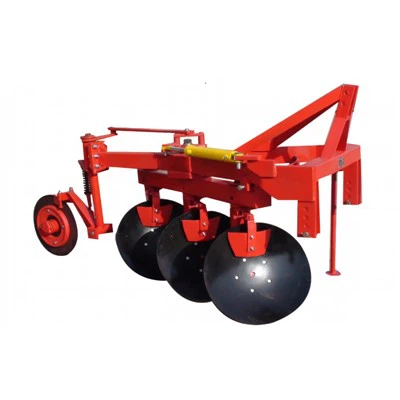
And if you need to prepare your fields before planting, our Driven Disc Plough is a powerful tool that can break up tough soil and get it ready for the seeds.
Conclusion and Call to Action
So, there you have it - the working principle of a pneumatic seeder. These machines are really amazing in terms of how they use air pressure to plant seeds accurately and efficiently.
If you're a farmer looking to improve your seeding process or just someone interested in agricultural technology, I highly recommend giving a pneumatic seeder a try. It can make a big difference in your crop yields and save you a lot of time and effort.
Do you have any questions about our pneumatic seeders or other agricultural implements? Are you interested in purchasing one? Don't hesitate to reach out for a discussion. I'm here to help you find the best equipment for your farming needs.
References
- Agricultural Machinery Manuals
- Industry research on modern seeding technologies