

When it comes to agricultural tools, the rotary tiller stands out as an indispensable piece of equipment for preparing soil in gardens, farms, and agricultural fields. As a trusted rotary tiller supplier, we understand the importance of both productivity and safety. This blog aims to provide you with comprehensive safety precautions to take when using a rotary tiller, ensuring that you can operate this powerful machine with confidence and peace of mind.
Pre - operation Safety Checks
Before you even start the rotary tiller, a series of safety checks are essential. These checks not only prolong the life of your tiller but also prevent potential accidents.
Inspection of the Machine
- Physical Condition: Examine the tiller thoroughly for any signs of damage, such as cracks in the body, loose parts, or broken components. Check the tines; they should be firmly attached and not bent or worn out. If you notice any issues, it's crucial to repair or replace the damaged parts before use.
- Fuel and Oil: Ensure that the tiller has the right amount of fuel and oil. Check the fuel tank for leaks, and make sure the oil level is within the recommended range. Using the wrong type or level of fuel and oil can not only damage the engine but also pose a fire hazard.
- Safety Guards: The safety guards on the tiller are designed to prevent debris from flying towards the operator and to keep hands and feet away from the rotating tines. Verify that all safety guards are in place and in good condition. Do not operate the tiller if any guard is missing or damaged.
Enviromental Assessment
- Area Survey: Walk around the area where you plan to use the tiller. Remove any large stones, roots, metal objects, or other debris that could damage the tines or cause the tiller to kick back. Also, be aware of any underground utilities, such as water pipes or electrical cables, to avoid accidental damage.
- Weather Conditions: Avoid using the rotary tiller in adverse weather conditions, such as heavy rain, thunderstorms, or high winds. Wet conditions can make the ground slippery, increasing the risk of falls, while lightning can be a serious danger. Extremely windy conditions can blow dust and debris into your eyes, reducing visibility.
Personal Protective Equipment (PPE)
Wearing appropriate PPE is non - negotiable when using a rotary tiller. It provides a crucial layer of protection against potential injuries.
Clothing
- Sturdy Footwear: Wear heavy - duty boots with good ankle support and non - slip soles. This protects your feet from flying debris, sharp objects, and potential foot entrapment in the tiller.
- Long Pants: Long pants made of thick, durable material can shield your legs from scratches, cuts, and debris. Avoid wearing loose - fitting pants that could get caught in the tiller's moving parts.
- Long - sleeved Shirt: A long - sleeved shirt provides protection for your arms from dirt, dust, and potential splashes of fuel or oil.
Head and Face Protection
- Safety Helmet: A safety helmet can protect your head from falling objects or in case of a fall. It should be properly fastened and meet the relevant safety standards.
- Eye Protection: Wear safety goggles to protect your eyes from dust, dirt, and flying debris. The goggles should fit snugly and provide a clear field of vision.
- Respiratory Protection: If you are tilling in a dusty area, wear a dust mask or respirator to prevent inhalation of harmful particles.
Operating the Rotary Tiller
Once you have completed all the pre - operation checks and are properly equipped with PPE, you can start operating the tiller. However, it's important to follow these safety guidelines during operation.
Starting the Tiller
- Proper Start Procedure: Follow the manufacturer's instructions for starting the tiller. Usually, this involves setting the throttle, choke, and ignition switches to the appropriate positions. Make sure the tiller is on a level surface and the tines are clear of any obstacles before starting.
- Keep Clear of Moving Parts: When starting the tiller, stand clear of the tines and other moving parts. Keep your hands and feet away to avoid accidental contact.
During Operation
- Maintain a Firm Grip: Hold the tiller's handles firmly at all times. This gives you better control over the machine and helps prevent it from getting out of control, especially when encountering tough patches of soil or obstacles.
- Forward Movement: Walk slowly and steadily behind the tiller as it moves forward. Do not try to force the tiller to move faster than it is designed to. Let the machine do the work at its own pace.
- Avoid Over - reaching: Do not over - reach to adjust the tiller or remove debris while it is running. Instead, turn off the engine, wait for the tines to stop completely, and then make any necessary adjustments.
- Pivoting and Turning: When turning the tiller, use a slow and controlled motion. Avoid sharp turns, as this can cause the tiller to tip over or lose stability.
When Stopping the Rotary Tiller
Stopping the tiller properly is just as important as starting and operating it safely.
Shutdown Procedure
- Turn off the Engine: Follow the manufacturer's instructions to turn off the engine. Usually, this involves moving the ignition switch to the "off" position.
- Wait for the Tines to Stop: After turning off the engine, wait for the tines to come to a complete stop before approaching the tiller. This ensures that there are no rotating parts that could cause injury.
Post - operation Maintenance
- Clean the Tiller: Remove any soil, debris, or plant material from the tiller. This helps prevent corrosion and keeps the machine in good working condition. Pay special attention to cleaning the tines and the engine area.
- Store the Tiller Properly: Store the tiller in a dry, secure place. If possible, cover it to protect it from the elements. Make sure the fuel tank is either empty or has a fuel stabilizer added if you plan to store it for an extended period.
Other Agricultural Implement Safety Suggestions
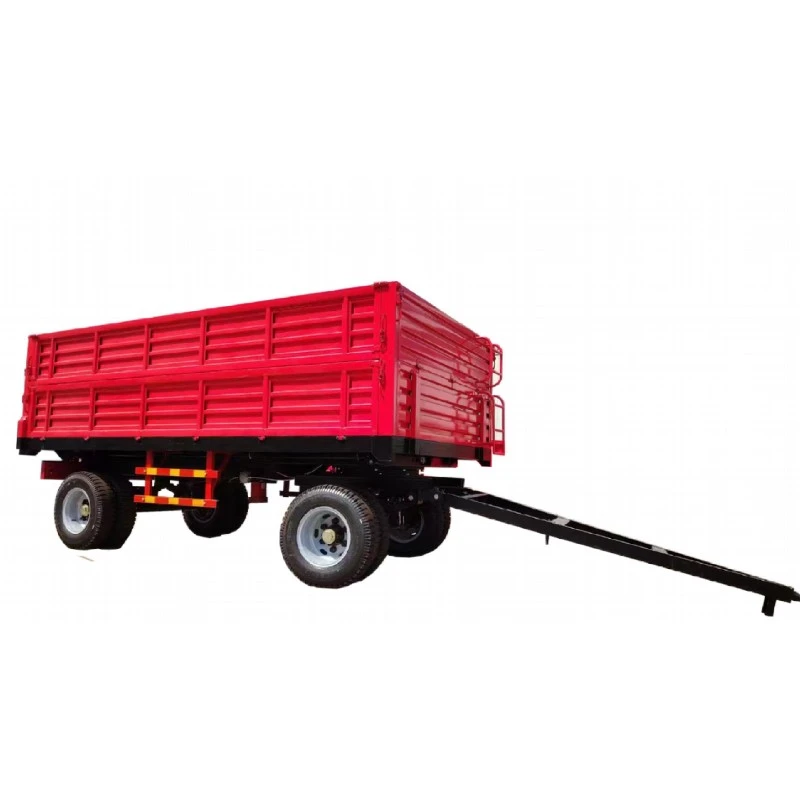
As a rotary tiller supplier, we also offer a range of other agricultural implements, such as Double Axle Trailer, Driven Harrow, and Disc Plough. While each implement has its own safety requirements, some general safety principles apply across the board. Always read and follow the manufacturer's instructions, wear appropriate PPE, and conduct regular maintenance checks.
Conclusion
Using a rotary tiller can be a productive and rewarding experience, but it must be done with safety in mind. By following the safety precautions outlined in this blog, you can minimize the risk of accidents and operate your tiller efficiently. As a supplier, we are committed to ensuring that you have a positive experience with our products. If you have any questions or are interested in purchasing a rotary tiller or other agricultural implements, please feel free to contact us for more information and to start a procurement discussion.

References
- Agricultural Machinery Safety Manual
- Manufacturer's Instructions for Rotary Tillers


