

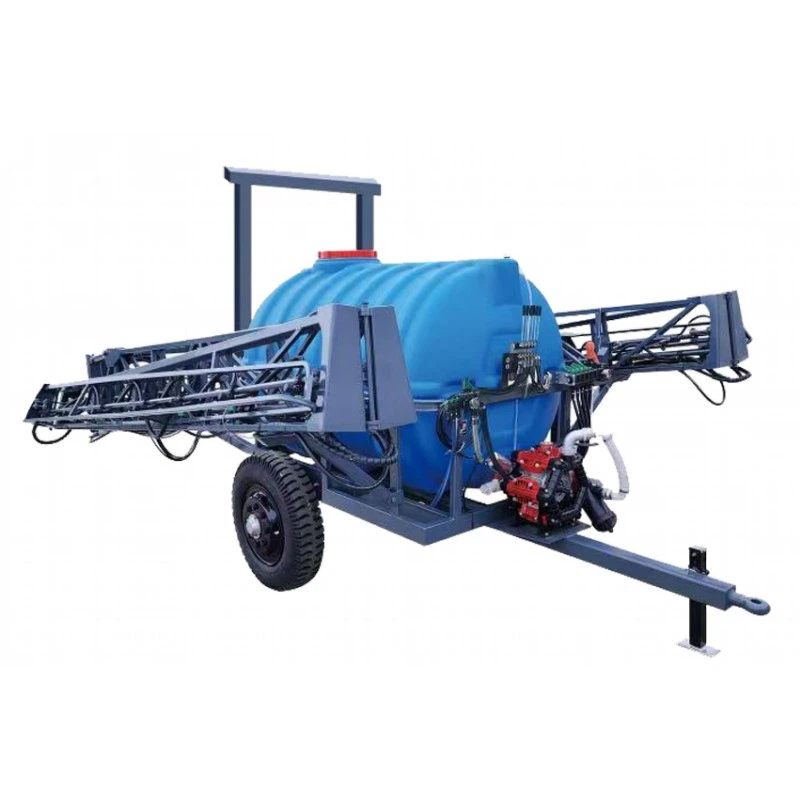
As a supplier of Boom Sprayers, I often get asked the question: "Can a boom sprayer be used for herbicide spraying?" The answer is a resounding yes! In this blog post, I'll delve into the details of why boom sprayers are an excellent choice for herbicide application, their advantages, limitations, and some key considerations when using them for this purpose.
Why Use a Boom Sprayer for Herbicide Spraying?
1. Efficiency
One of the primary reasons boom sprayers are well - suited for herbicide spraying is their efficiency. Boom sprayers typically have a wide spraying width, which can range from a few meters to over 20 meters in some large - scale agricultural models. This wide coverage area allows farmers and land managers to cover large fields or areas in a relatively short period. For example, if you have a 10 - hectare field, using a boom sprayer with a 15 - meter boom width can significantly reduce the time it takes to apply herbicides compared to using a handheld or backpack sprayer.
2. Uniform Application
Herbicides need to be applied uniformly across the target area to ensure effective weed control. Boom sprayers are designed to deliver a consistent spray pattern. The nozzles on the boom are carefully spaced and calibrated to provide an even distribution of the herbicide solution. This uniform application helps to prevent under - or over - spraying, which can lead to ineffective weed control or potential damage to crops.
3. Precision
Modern boom sprayers are equipped with advanced technologies that allow for precise application of herbicides. Some boom sprayers have GPS - guided systems that can map the field and adjust the spraying rate based on the specific needs of different areas. This means that areas with higher weed density can receive a higher dosage of herbicide, while areas with fewer weeds can be sprayed more sparingly.
Advantages of Using a Boom Sprayer for Herbicide Spraying
1. Time - Saving
As mentioned earlier, the wide coverage area of boom sprayers means that less time is spent on the actual spraying process. This is especially important during the critical weed control periods when time is of the essence. For large - scale farms, the time saved can translate into significant cost savings in terms of labor.
2. Cost - Effective
In the long run, using a boom sprayer for herbicide spraying can be cost - effective. Although the initial investment in a boom sprayer may be relatively high, the reduced labor costs and the efficient use of herbicides can offset this expense. Additionally, the uniform application of herbicides helps to minimize waste, which can further reduce costs.
3. Versatility
Boom sprayers can be used with a variety of herbicides, including liquid and granular formulations. They can also be adjusted to spray at different heights and pressures, making them suitable for different types of crops and weed species.
Limitations of Using a Boom Sprayer for Herbicide Spraying
1. Terrain Limitations
Boom sprayers are best suited for relatively flat and open terrain. In areas with uneven ground, steep slopes, or obstacles such as trees and rocks, it can be challenging to operate a boom sprayer effectively. The boom may need to be raised or lowered frequently to avoid hitting obstacles, which can disrupt the spraying pattern.
2. Weather Conditions
Weather conditions can have a significant impact on the performance of a boom sprayer. Windy conditions can cause the herbicide spray to drift, leading to off - target application and potential damage to non - target crops or areas. High humidity or rain can also affect the adhesion and effectiveness of the herbicide on the weeds.
3. Initial Investment
As mentioned earlier, the initial cost of purchasing a boom sprayer can be high. This can be a barrier for small - scale farmers or those with limited budgets. Additionally, there may be ongoing maintenance and calibration costs associated with keeping the boom sprayer in good working condition.
Key Considerations When Using a Boom Sprayer for Herbicide Spraying
1. Nozzle Selection
The choice of nozzles is crucial for effective herbicide spraying. Different nozzles produce different spray patterns and droplet sizes. For herbicide application, it is important to select nozzles that produce droplets of the appropriate size to ensure good coverage and adhesion on the weeds. Fine droplets may be more prone to drift, while large droplets may not provide adequate coverage.
2. Calibration
Proper calibration of the boom sprayer is essential to ensure accurate application of the herbicide. This involves measuring the flow rate of the sprayer, the speed of the tractor, and the width of the boom. Regular calibration checks should be performed to account for any changes in the equipment or operating conditions.
3. Safety
When using a boom sprayer for herbicide spraying, safety should be a top priority. Operators should wear appropriate protective clothing, including gloves, goggles, and respirators. The herbicide should be stored and handled in accordance with the manufacturer's instructions to prevent spills and contamination.
Comparison with Other Spraying Equipment
1. Electric Sprayer
Electric Sprayer are typically smaller and more portable than boom sprayers. They are suitable for small - scale herbicide spraying, such as in home gardens or small plots of land. However, they have a limited spraying width and capacity compared to boom sprayers. Electric sprayers are also generally less efficient for large - scale applications.
2. Fog Machine
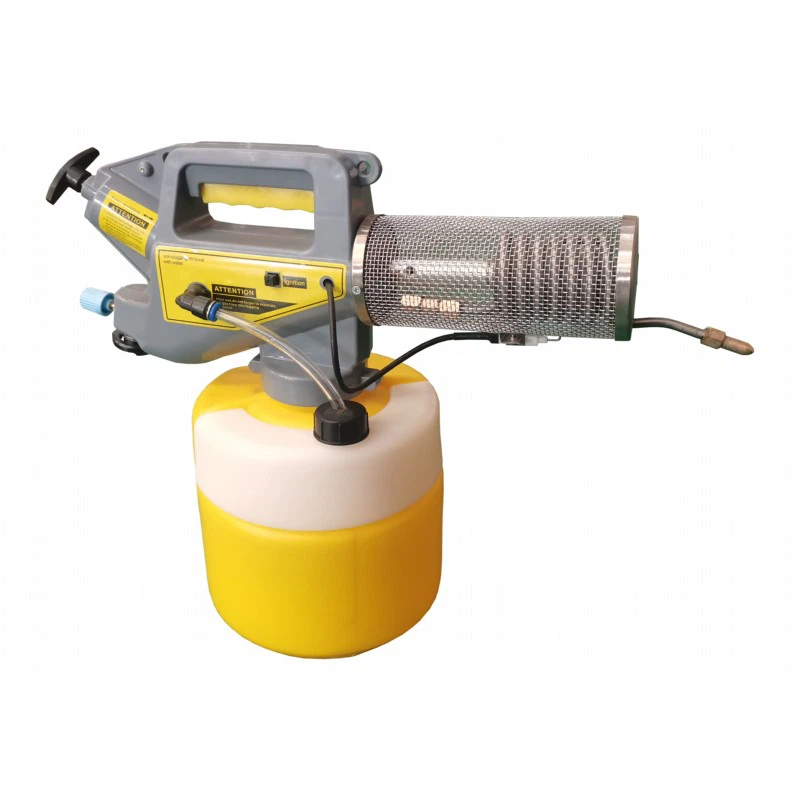
Fog Machine are often used for applying pesticides and herbicides in greenhouses or enclosed spaces. They produce a fine mist or fog that can cover a large area. However, fog machines may not be as precise as boom sprayers, and the fog can be easily affected by air currents, leading to uneven application.
Conclusion
In conclusion, a Boom Sprayer is an excellent choice for herbicide spraying, especially for large - scale agricultural operations. Its efficiency, uniform application, and precision make it a valuable tool for weed control. However, it is important to be aware of its limitations and to take the necessary precautions when using it. If you are considering using a boom sprayer for herbicide spraying, I encourage you to contact us to discuss your specific needs and requirements. We can provide you with the right equipment and advice to ensure effective and safe herbicide application.
References
- Smith, J. (2018). Agricultural Spraying Equipment: Principles and Practices. ABC Publishing.
- Johnson, R. (2019). Weed Control in Modern Agriculture. XYZ Press.


