In the battle against pesky insects, finding an effective and efficient method of applying insect repellents is crucial. One question that often arises is whether a sprayer can be used for this purpose. As a sprayer supplier, I'm here to delve into this topic and provide you with comprehensive insights.

The Basics of Sprayers
Sprayers are versatile tools designed to dispense liquids in a controlled manner. They come in various types, each with its own unique features and applications. The three main types of sprayers that are commonly considered for insect repellent application are fog machines, boom sprayers, and electric sprayers.
Fog Machine
A Fog Machine is a device that creates a fine mist or fog of liquid. It works by heating a special fluid or using compressed air to break the liquid into tiny droplets. This type of sprayer is ideal for covering large outdoor areas, as the fog can penetrate deep into vegetation and reach areas that are difficult to access. The small droplets of the fog can also linger in the air for a longer time, providing extended protection against insects. However, it's important to note that fog machines may not be suitable for indoor use, as the fog can be difficult to control and may cause respiratory irritation if inhaled in large quantities.
Boom Sprayer
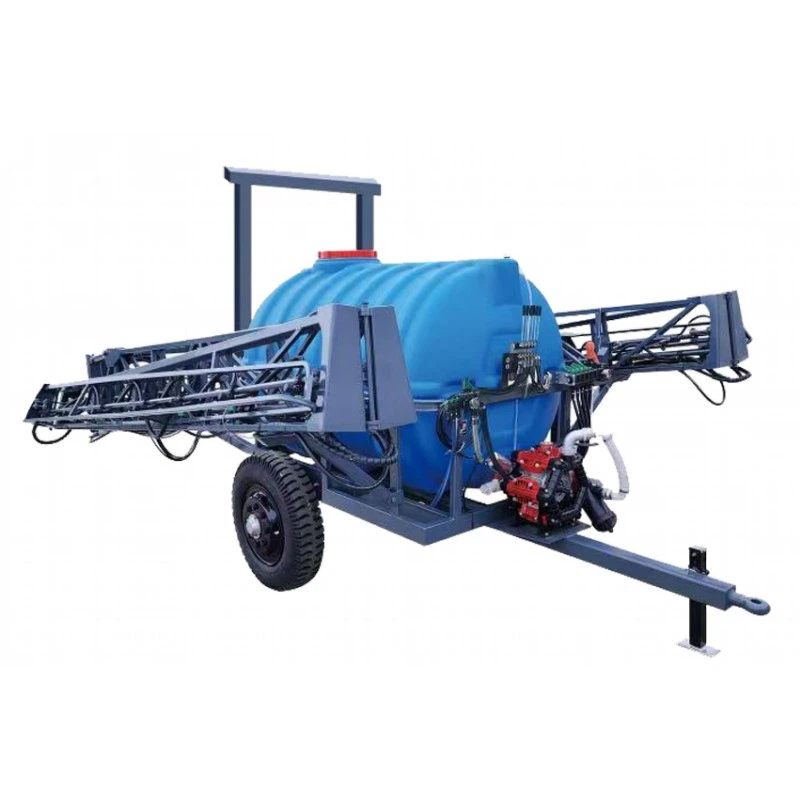
Boom Sprayers are commonly used in agricultural settings but can also be adapted for insect repellent application. They consist of a long boom with multiple nozzles attached, which allows for wide coverage in a single pass. Boom sprayers are typically mounted on a tractor or a trailer, making them suitable for large - scale outdoor areas such as farms, parks, and golf courses. The nozzles on a boom sprayer can be adjusted to control the spray pattern and droplet size, ensuring an even distribution of the insect repellent. However, they require a significant amount of space to operate and may not be practical for small residential areas.
Electric Sprayer
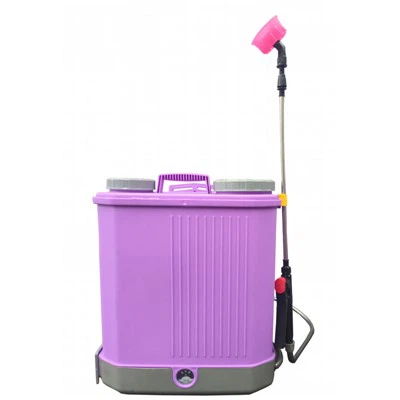
Electric Sprayers are a popular choice for both residential and commercial use. They are powered by electricity and are relatively easy to operate. Electric sprayers typically have a tank to hold the insect repellent and a pump to create the pressure needed to spray the liquid. They are available in different sizes and capacities, making them suitable for a variety of applications, from small gardens to larger yards. Electric sprayers offer good control over the spray pattern and can be adjusted to deliver a fine mist or a more concentrated stream, depending on the needs of the user.
Suitability of Sprayers for Insect Repellent Application
Now that we've explored the different types of sprayers, let's discuss their suitability for applying insect repellents.
Advantages of Using Sprayers
- Efficiency: Sprayers can cover a large area in a relatively short amount of time. This is especially beneficial for outdoor areas such as gardens, lawns, and agricultural fields. For example, a boom sprayer can cover a large swath of land in a single pass, reducing the time and effort required for manual application.
- Even Distribution: Sprayers are designed to provide an even distribution of the insect repellent. This ensures that all areas are adequately protected, reducing the chances of insect infestations. The nozzles on sprayers can be adjusted to create a consistent spray pattern, ensuring that the repellent is evenly spread across the target area.
- Precision: Some sprayers, such as electric sprayers, offer precise control over the spray pattern and droplet size. This allows the user to target specific areas, such as plants or corners of a building, where insects are likely to gather.
Considerations for Using Sprayers
- Chemical Compatibility: Not all sprayers are compatible with all types of insect repellents. Some insect repellents may contain chemicals that can damage the components of the sprayer, such as the pump or the nozzles. It's important to check the manufacturer's recommendations before using a sprayer with a particular insect repellent.
- Safety: When using a sprayer to apply insect repellents, safety should always be a top priority. The user should wear appropriate protective gear, such as gloves, goggles, and a mask, to avoid contact with the repellent. Additionally, care should be taken to avoid spraying near food sources, water supplies, or areas where children and pets are present.
- Environmental Impact: Some insect repellents may have a negative impact on the environment. When using a sprayer, it's important to use the repellent in a responsible manner and follow the recommended application rates to minimize any potential environmental damage.
Best Practices for Using Sprayers with Insect Repellents
To ensure the effective and safe use of sprayers for applying insect repellents, here are some best practices to follow:
- Read the Instructions: Before using a sprayer with an insect repellent, carefully read the instructions provided by both the sprayer manufacturer and the repellent manufacturer. This will ensure that you use the equipment correctly and avoid any potential problems.
- Test the Sprayer: Before applying the insect repellent to a large area, test the sprayer on a small, inconspicuous area to ensure that it is working properly and that the repellent is being applied evenly.
- Choose the Right Time: The best time to apply insect repellents is usually in the early morning or late evening when insects are most active. Avoid applying the repellent on windy days, as this can cause the spray to drift and may reduce its effectiveness.
- Clean the Sprayer: After each use, thoroughly clean the sprayer to remove any residue of the insect repellent. This will help to prevent corrosion and ensure the longevity of the sprayer.
Conclusion
In conclusion, sprayers can be a highly effective tool for applying insect repellents. Whether you choose a fog machine, a boom sprayer, or an electric sprayer depends on the size of the area you need to cover, the type of insect repellent you are using, and your specific requirements. As a sprayer supplier, we understand the importance of providing our customers with high - quality products that are reliable and easy to use.
If you are interested in purchasing a sprayer for insect repellent application or have any questions about our products, we encourage you to reach out to us for a procurement discussion. We are committed to helping you find the perfect sprayer solution to meet your needs.
References
- Smith, J. (2020). "The Guide to Sprayer Selection for Different Applications". Agricultural Equipment Journal.
- Johnson, A. (2021). "Safety Considerations When Using Sprayers with Chemicals". Environmental Health Review.
- Brown, C. (2019). "Best Practices for Applying Insect Repellents". Pest Control Magazine.