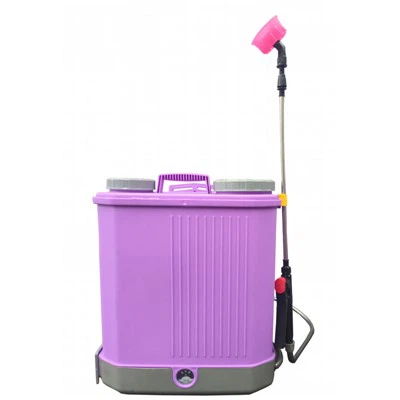
Can an electric sprayer be used for spraying on vertical surfaces? This is a question that many of our customers often ask. As a leading supplier of Electric Sprayer, we have in - depth knowledge and practical experience in this area, and we are glad to share our insights with you.
Understanding Electric Sprayers
First, let's briefly understand what an electric sprayer is. An electric sprayer is a device that uses an electric motor to generate pressure, which then forces the liquid inside the tank out through a nozzle in the form of a fine mist or spray. Compared with Manual Sprayer, electric sprayers are generally more convenient and efficient, as they do not require manual pumping to build up pressure.
The working principle of an electric sprayer mainly involves the conversion of electrical energy into mechanical energy. The electric motor drives a pump, which sucks the liquid from the tank and pressurizes it. When the pressure reaches a certain level, the liquid is released through the nozzle, creating a spray pattern. Different types of nozzles can be used to achieve various spray patterns, such as a cone - shaped spray, a fan - shaped spray, or a straight - stream spray.
Challenges of Spraying on Vertical Surfaces
Spraying on vertical surfaces presents several challenges that are different from spraying on horizontal surfaces. Gravity is the most obvious factor. When spraying on a vertical surface, the liquid tends to run down under the influence of gravity. This can lead to uneven coverage, with more liquid accumulating at the bottom of the sprayed area and less at the top.
Another challenge is the adhesion of the liquid to the vertical surface. The liquid needs to stick to the surface long enough to perform its intended function, whether it is for painting, disinfecting, or applying pesticides. If the liquid runs off too quickly, it may not have enough time to work effectively, and it can also cause waste of the spraying material.
Suitability of Electric Sprayers for Vertical Surfaces
Now, let's discuss whether an electric sprayer can be used for spraying on vertical surfaces. The answer is yes, but with some considerations.
Advantages
- Pressure Control: Electric sprayers offer better pressure control compared to manual sprayers. You can adjust the pressure according to the requirements of the vertical surface spraying. Higher pressure can help the liquid penetrate and adhere better to the vertical surface, counteracting the effect of gravity to some extent. For example, when spraying a thick - textured paint on a wall, a higher pressure can ensure that the paint reaches all the pores and crevices on the surface.
- Consistent Spray Pattern: Electric sprayers can produce a more consistent spray pattern. This is crucial for achieving even coverage on vertical surfaces. With a consistent spray pattern, you can avoid over - spraying in some areas and under - spraying in others, which is a common problem when using less - precise spraying equipment.
- Efficiency: Electric sprayers are generally more efficient, which is beneficial when dealing with large vertical surfaces. They can cover a larger area in a shorter time compared to manual sprayers, reducing the overall spraying time and labor cost.
Limitations
- Gravity Effect: As mentioned earlier, gravity is a significant factor. Even with an electric sprayer, it is difficult to completely eliminate the running - down problem. However, this can be mitigated by using proper spraying techniques and additives.
- Liquid Viscosity: The viscosity of the spraying liquid also affects the performance of the electric sprayer on vertical surfaces. If the liquid is too thin, it will run down more easily. On the other hand, if it is too thick, it may clog the nozzle of the electric sprayer.
Tips for Using Electric Sprayers on Vertical Surfaces
To achieve good results when using an electric sprayer on vertical surfaces, here are some useful tips:
Select the Right Nozzle
Choose a nozzle that is suitable for vertical surface spraying. A fan - shaped nozzle is often a good choice as it can provide a wide and even spray pattern. The width of the fan - shaped spray can be adjusted according to the size of the vertical surface. For smaller vertical areas, a narrower fan - shaped spray may be more appropriate, while for larger areas, a wider spray can increase the spraying efficiency.
Adjust the Spray Pressure
As mentioned before, proper pressure adjustment is crucial. Start with a lower pressure and gradually increase it until you find the optimal pressure for the specific vertical surface and spraying material. If the pressure is too high, it may cause the liquid to bounce off the surface, while too low pressure may result in poor adhesion.
Use Additives
Some additives can be used to improve the adhesion of the liquid to the vertical surface. For example, thickening agents can increase the viscosity of the liquid, making it less likely to run down. Adhesion promoters can also be added to enhance the bonding between the liquid and the vertical surface.
Spray in Multiple Layers
Instead of applying a thick layer of liquid all at once, it is better to spray in multiple thin layers. This allows each layer to dry or adhere properly before applying the next one. It can also help to achieve more even coverage and better adhesion on the vertical surface.
Comparison with Other Spraying Equipment
Let's compare electric sprayers with other types of spraying equipment, such as Fog Machine and manual sprayers, in the context of vertical surface spraying.
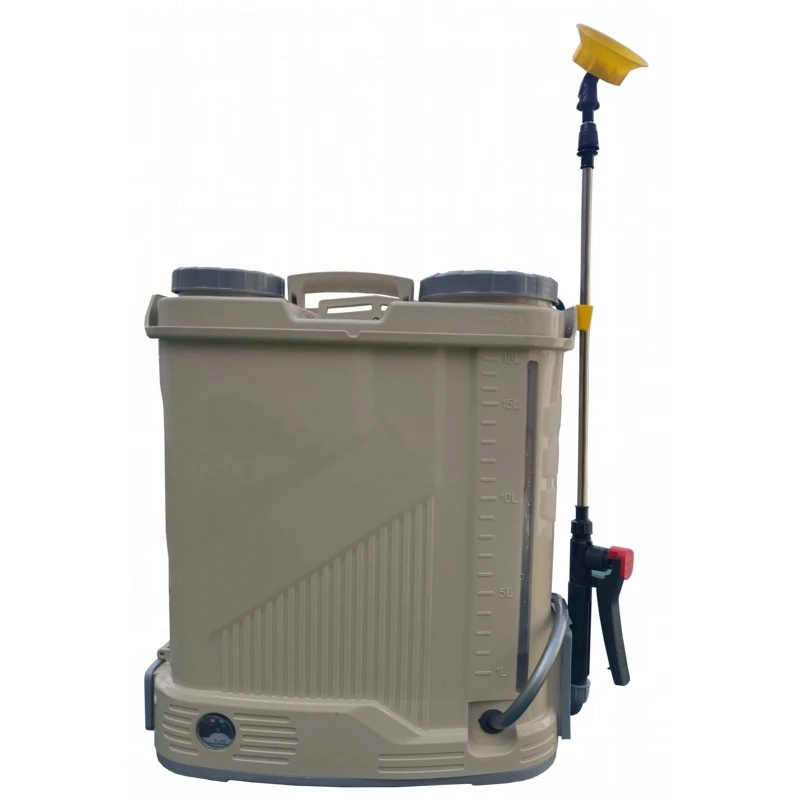

- Fog Machines: Fog machines are mainly used for creating a fine mist or fog - like spray. They are suitable for applications where a large - area, light - coverage spraying is required, such as disinfecting large indoor spaces. However, for vertical surface spraying, fog machines may not be as effective as electric sprayers. The fine mist produced by fog machines may not have enough force to adhere well to vertical surfaces, and it is more likely to be affected by air currents and gravity.
- Manual Sprayers: Manual sprayers rely on manual pumping to generate pressure. They are generally less powerful and have less consistent pressure compared to electric sprayers. When spraying on vertical surfaces, it is more difficult to control the spray pattern and pressure with a manual sprayer, which may lead to uneven coverage and more running - down of the liquid.
Conclusion
In conclusion, an electric sprayer can be effectively used for spraying on vertical surfaces, but it requires proper techniques and considerations. With its advantages in pressure control, consistent spray pattern, and efficiency, an electric sprayer is a viable option for various vertical surface spraying applications, such as painting walls, applying pesticides on plant stems, and disinfecting vertical equipment surfaces.
If you are interested in our Electric Sprayer products and want to discuss your specific spraying needs, especially for vertical surface applications, please feel free to contact us. We have a professional team that can provide you with detailed product information and customized solutions.
References
- Smith, J. (2018). Spraying Technology Handbook. Publisher: ABC Publishing.
- Johnson, M. (2020). Advances in Liquid Spraying Equipment. Journal of Industrial Spraying, 15(2), 34 - 45.