

Hey there! As a supplier of precision seeders, I often get asked a bunch of questions about these nifty machines. One question that pops up quite a bit is, "Does a precision seeder require regular lubrication?" Well, let's dive right into it and find out.
First off, what's a precision seeder anyway? It's a piece of agricultural equipment that's designed to plant seeds at a specific depth and spacing. This helps ensure uniform germination and better crop yields. Precision seeders come in all shapes and sizes, from small handheld models for home gardens to large, tractor - mounted ones for commercial farms.
Now, back to the main question: lubrication. You bet your boots a precision seeder needs regular lubrication! Just like any other mechanical device, the moving parts in a precision seeder experience friction. Friction is the enemy here because it can cause wear and tear on the components. Over time, this can lead to parts breaking down, which means more downtime for repairs and less time for planting.
Let's talk about the different parts of a precision seeder that need lubrication. The seed metering system is one of the most critical parts. This system is responsible for dispensing the right amount of seeds at the right time. It has gears, bearings, and other moving parts that need to be well - lubricated. Without proper lubrication, these parts can jam, and the seeder won't distribute the seeds evenly.
The drive system is another area that requires attention. Whether it's a chain drive, belt drive, or gear drive, all these components need to be lubricated. A well - lubricated drive system ensures smooth operation and prevents slippage, which could throw off the seeding accuracy.
The wheels and axles of the precision seeder also need lubrication. These parts are constantly in contact with the ground, and they bear the weight of the machine. Lubricating the wheel bearings reduces friction, which makes it easier for the seeder to move across the field. It also extends the life of the bearings, so you don't have to replace them as often.
But how often should you lubricate a precision seeder? Well, it depends on a few factors. If you're using the seeder frequently, say for large - scale commercial farming, you might need to lubricate it after every few hours of operation. For occasional use, like in a small home garden, lubricating it before each planting season should be sufficient.
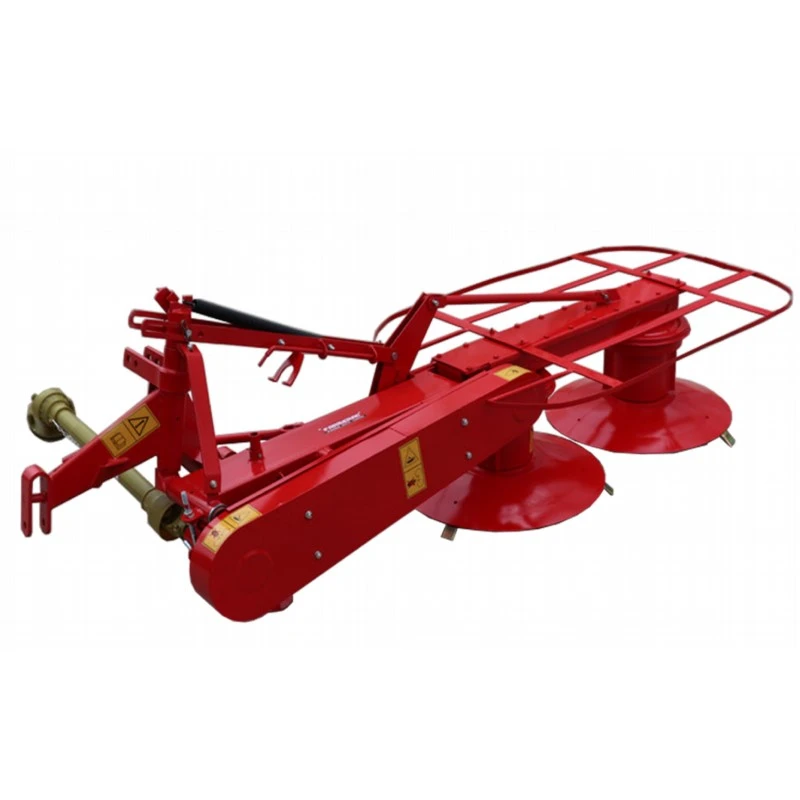

Now, let's talk about the type of lubricant to use. You need to choose a lubricant that's suitable for the specific parts of the seeder. For example, for the gears and bearings, a high - quality grease is usually a good choice. Grease has a thicker consistency and can stay in place better, providing long - lasting lubrication. For the chain and belt drives, a light - weight oil might be more appropriate. It can penetrate the links of the chain or the surface of the belt and reduce friction.
When lubricating the precision seeder, it's important to follow the manufacturer's instructions. These instructions will tell you exactly where to apply the lubricant and how much to use. Over - lubricating can be just as bad as under - lubricating. Too much lubricant can attract dirt and debris, which can cause more problems in the long run.
Another thing to keep in mind is maintenance. Along with regular lubrication, you should also clean the seeder regularly. Dirt, dust, and plant debris can build up on the moving parts and interfere with the lubrication. Cleaning the seeder before lubricating it ensures that the lubricant can do its job effectively.
Now, I want to mention a few other agricultural implements that are related to precision seeders. If you're in the market for more agricultural equipment, you might be interested in a Double Axle Trailer. It's great for transporting heavy loads of seeds, fertilizers, or other farming supplies. And if you need to cut grass or hay, a Drum Mower or a Lawn Mower could be just what you need.
In conclusion, regular lubrication is a must for a precision seeder. It helps keep the machine running smoothly, extends its lifespan, and ensures accurate seeding. If you're looking to buy a precision seeder or have any questions about its maintenance, don't hesitate to reach out. We're here to help you get the most out of your agricultural equipment. Whether you're a small - scale farmer or a large - scale agricultural business, we have the right precision seeder for you. Contact us to start a purchase negotiation, and let's work together to make your farming operations more efficient.
References
- Agricultural Machinery Maintenance Manuals
- Industry - specific Agricultural Journals
- Manufacturer's Guides for Precision Seeders


