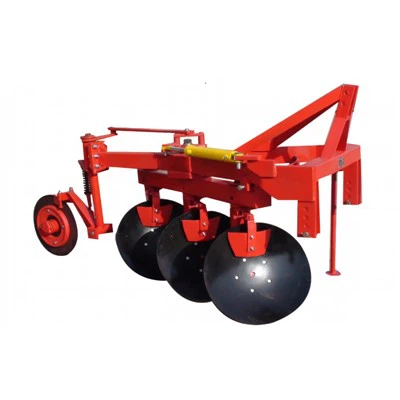
When it comes to agricultural machinery, the two-way disc plough stands out as a staple for modern farming operations. Whether you're breaking new ground or tilling existing fields, the two-way design offers unparalleled efficiency and versatility. A common question that arises among farmers and agricultural professionals is, "What is the fuel consumption when using a two-way disc plough?" As a two-way disc plough supplier, we'll delve deep into factors that influence fuel consumption and provide insights into optimizing this critical aspect of your farming operations.
Understanding the Basics of Fuel Consumption
Fuel consumption in a two-way disc plough is influenced by a multitude of factors, much like any other heavy machinery. At its core, fuel consumption is the amount of fuel utilized by the equipment to perform a specific task. For a two-way disc plough, this task is primarily tilling the soil. The volume of fuel used is measured in litres (in the metric system) or gallons (in the imperial system) per unit area, typically per hectare or acre.
Factors Affecting Fuel Consumption
Soil Conditions
One of the most significant factors affecting fuel consumption is soil type and condition. Different soils, such as sandy, loamy, or clayey, have varying levels of resistance to tillage. For instance, clayey soils are denser and more compact, requiring more power to break up. This increased power demand translates to higher fuel consumption. In contrast, sandy soils are looser and offer less resistance, resulting in lower fuel usage.
Soil moisture also plays a crucial role. Dry soils can be hard and compact, leading to more energy required to plough. Conversely, overly wet soils can cause the discs to slip, reducing efficiency and increasing fuel consumption. The ideal soil moisture content for ploughing is when it's moist enough to be easily broken but not so wet that it becomes sticky.
Plough Design and Configuration
The design and configuration of the two-way disc plough itself have a direct impact on fuel consumption. The number of discs, their size, and spacing all contribute to the overall resistance encountered during ploughing. A plough with a larger number of discs or wider disc spacing will cover more ground per pass but may require more power to operate, leading to higher fuel consumption.
The angle at which the discs are set also matters. A steeper disc angle will penetrate the soil more deeply but will also increase the resistance. Adjusting the disc angle according to the soil conditions can help optimize fuel efficiency. For example, in lighter soils, a shallower disc angle may be sufficient, reducing the power demand and fuel consumption.
Tractor Power and Efficiency
The tractor used to pull the two-way disc plough is another critical factor. A tractor with insufficient power will struggle to pull the plough through the soil, resulting in increased fuel consumption as the engine works harder. On the other hand, an oversized tractor may use more fuel than necessary to perform the task.
Tractor efficiency also plays a role. Modern tractors are equipped with advanced engine technologies, such as direct injection and turbocharging, which can improve fuel efficiency. Additionally, features like variable speed drives and power management systems allow the tractor to adjust its power output based on the load, further optimizing fuel consumption.
Measuring Fuel Consumption
To accurately measure the fuel consumption of a two-way disc plough, farmers can use a simple method. First, fill the tractor's fuel tank to the brim and record the amount of fuel added. Then, plough a known area of the field. After the ploughing is complete, refill the fuel tank to the brim and record the amount of fuel added again. The difference in fuel volume is the amount of fuel consumed during the ploughing operation. Divide this amount by the area ploughed to get the fuel consumption per unit area.
For example, if you added 50 litres of fuel to refill the tank after ploughing a 2-hectare field, the fuel consumption would be 25 litres per hectare. Regularly measuring fuel consumption can help farmers identify trends and make adjustments to improve efficiency.
Tips to Reduce Fuel Consumption
Proper Plough Maintenance
Regular maintenance of the two-way disc plough is essential for optimal performance and fuel efficiency. Keep the discs sharp and well-aligned to reduce resistance. A dull or misaligned disc will require more power to cut through the soil, increasing fuel consumption. Lubricate all moving parts to minimize friction, and check for any loose or worn components that may affect the plough's operation.
Optimal Tractor Settings
Adjust the tractor's settings according to the ploughing conditions. Use the appropriate gear to maintain a steady speed. Avoid over-revving the engine, as this can waste fuel. Many modern tractors have power take-off (PTO) settings that can be adjusted to match the requirements of the plough. By setting the PTO at the correct speed, you can ensure that the plough is operating efficiently without using excessive fuel.
Strategic Field Planning
Plan your ploughing operations to minimize unnecessary turns and overlaps. A well-planned field layout can reduce the distance the tractor has to travel, thereby reducing fuel consumption. Use GPS-guided systems to ensure accurate and efficient ploughing. These systems can help you create straight rows and avoid overlapping areas, saving both time and fuel.
Comparing with Other Agricultural Implements
When considering fuel consumption in the context of overall farming operations, it's useful to compare the two-way disc plough with other agricultural implements. For example, a Pneumatic Seeder generally has lower fuel consumption as its primary function is to sow seeds, which requires less power compared to tilling the soil. A Potato Planter also tends to use less fuel as it is designed for a specific planting task.
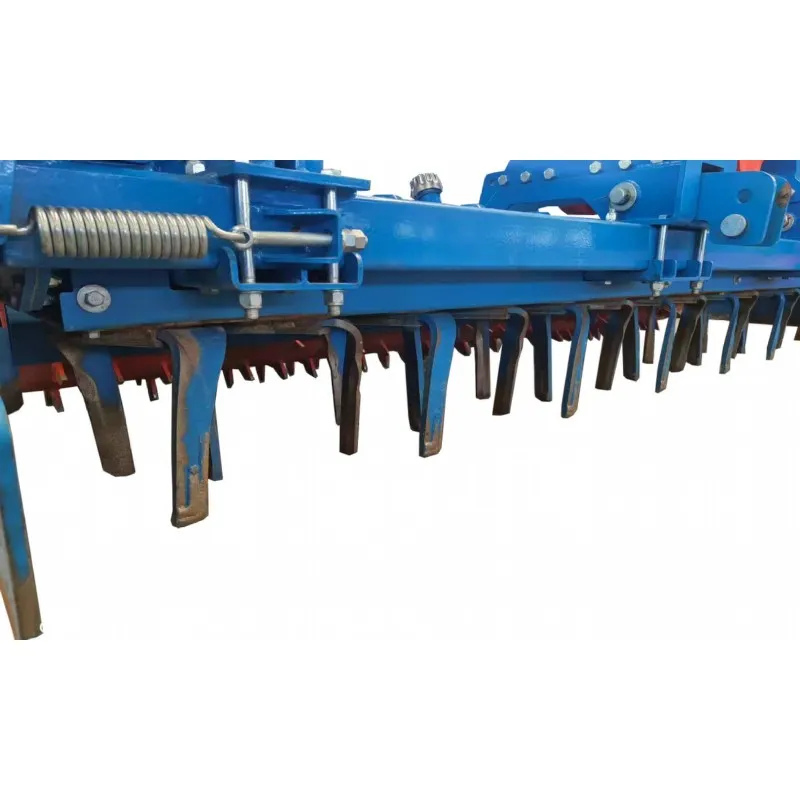
On the other hand, a Driven Harrow may have a similar or higher fuel consumption compared to a two-way disc plough, especially if it is used for intensive soil cultivation. The power required to drive the harrow's tines or blades through the soil can be significant, depending on the soil conditions and the depth of cultivation.
Conclusion
Understanding the fuel consumption of a two-way disc plough is crucial for farmers looking to optimize their operations and reduce costs. By considering factors such as soil conditions, plough design, tractor power, and implementing fuel-saving strategies, farmers can achieve more efficient ploughing. As a two-way disc plough supplier, we are committed to providing high-quality equipment and technical support to help our customers make the most of their farming operations.
If you're interested in learning more about our two-way disc ploughs or exploring other agricultural implements, we invite you to reach out to us for a detailed discussion. We look forward to assisting you in enhancing your farming productivity and profitability.

References
- Agricultural Machinery Handbook, various editions
- Journal of Agricultural Engineering Research
- Technical manuals from leading tractor and agricultural implement manufacturers