As a supplier of front end loaders, I've had the privilege of engaging with a wide range of customers across various industries. From construction sites to agricultural fields, these powerful machines play a pivotal role in getting the job done efficiently. However, it's essential to recognize that with great power comes great responsibility, especially when it comes to the environment. In this blog post, I'll delve into the environmental impacts of using a front end loader and discuss ways to mitigate them.
Air Pollution
One of the most significant environmental concerns associated with front end loaders is air pollution. These machines typically run on diesel engines, which emit a variety of pollutants, including particulate matter (PM), nitrogen oxides (NOx), and carbon monoxide (CO). PM consists of tiny particles that can penetrate deep into the lungs and cause respiratory problems, while NOx contributes to the formation of smog and acid rain. CO, on the other hand, is a colorless, odorless gas that can be harmful to human health in high concentrations.
To reduce air pollution from front end loaders, manufacturers have been implementing a range of technologies, such as diesel particulate filters (DPFs) and selective catalytic reduction (SCR) systems. DPFs trap PM in the exhaust stream, while SCR systems use a urea-based solution to convert NOx into nitrogen and water. These technologies have significantly reduced emissions from diesel engines, making front end loaders more environmentally friendly.
In addition to technological advancements, operators can also take steps to reduce air pollution. For example, they can avoid idling the engine for extended periods, as this can increase emissions. They can also maintain the engine properly, including changing the oil and air filters regularly, to ensure optimal performance and reduce emissions.
Noise Pollution
Another environmental impact of using a front end loader is noise pollution. These machines can generate high levels of noise, which can be a nuisance to nearby residents and workers. Prolonged exposure to high levels of noise can also cause hearing loss and other health problems.
To reduce noise pollution, manufacturers have been designing front end loaders with quieter engines and better sound insulation. They have also developed noise-reducing attachments, such as mufflers and silencers, to further reduce noise levels. In addition, operators can take steps to reduce noise pollution, such as using the machine at a lower speed and avoiding unnecessary operations.
Soil Compaction
Front end loaders can also cause soil compaction, especially when used on agricultural fields. Soil compaction occurs when the weight of the machine compresses the soil, reducing its porosity and permeability. This can make it difficult for water and air to penetrate the soil, which can affect plant growth and productivity.
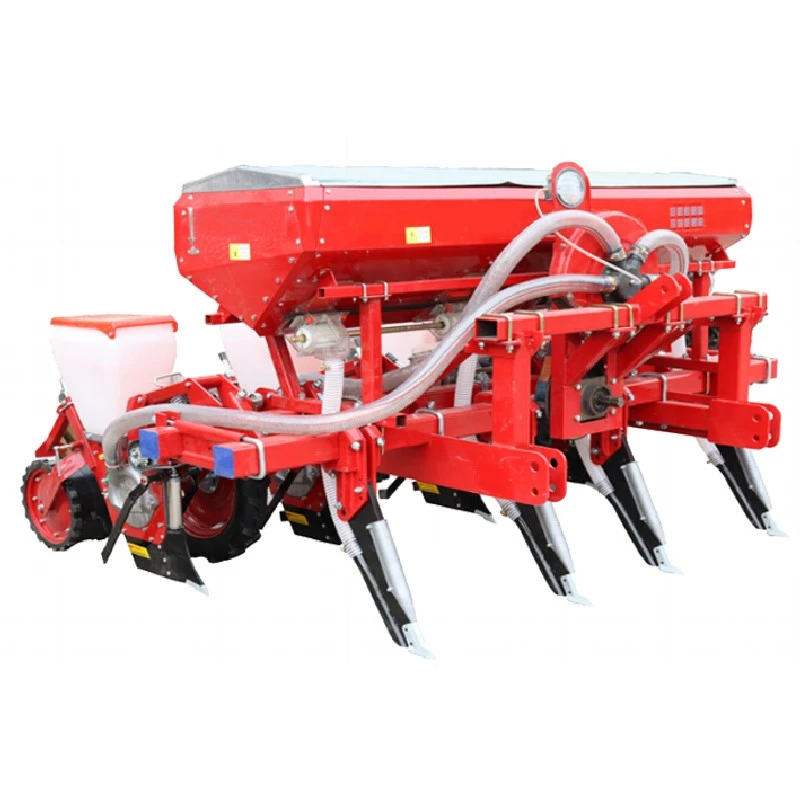

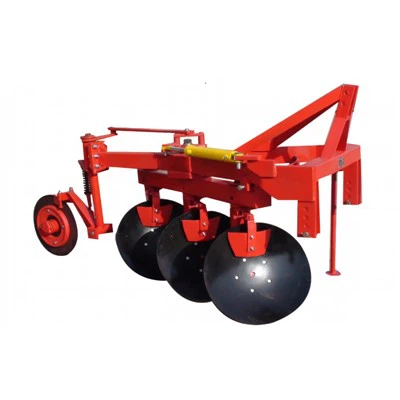
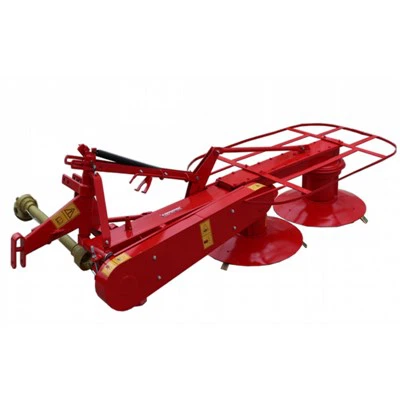
To reduce soil compaction, operators can use front end loaders with wider tires or tracks, which distribute the weight of the machine more evenly. They can also avoid driving on wet soil, as this can increase the risk of compaction. In addition, farmers can use tillage equipment, such as Drum Mower, Pneumatic Seeder, and Suspension Disc Harrow, to loosen the soil and improve its structure.
Water Pollution
Front end loaders can also contribute to water pollution, especially when used near bodies of water. These machines can leak oil, fuel, and other chemicals, which can contaminate water sources and harm aquatic life. In addition, the sediment and debris generated by the machine can be washed into nearby waterways, causing erosion and sedimentation.
To reduce water pollution, operators can take steps to prevent leaks and spills. They can also clean up any spills immediately using absorbent materials, such as oil booms and pads. In addition, they can avoid operating the machine near bodies of water, or use best management practices, such as installing sediment control measures, to prevent sediment and debris from entering waterways.
Energy Consumption
Front end loaders are energy-intensive machines, which can have a significant impact on the environment. These machines typically use a large amount of diesel fuel, which is a non-renewable resource. In addition, the production and transportation of diesel fuel also generate greenhouse gas emissions, which contribute to climate change.
To reduce energy consumption, manufacturers have been developing more fuel-efficient front end loaders. They have also been exploring alternative fuels, such as biodiesel and natural gas, which can reduce greenhouse gas emissions. In addition, operators can take steps to reduce energy consumption, such as using the machine at a lower speed and avoiding unnecessary operations.
Mitigating the Environmental Impacts
As a front end loader supplier, I'm committed to helping my customers mitigate the environmental impacts of using these machines. I offer a range of products and services that can help reduce emissions, noise pollution, soil compaction, water pollution, and energy consumption.
For example, I offer front end loaders with advanced emission control technologies, such as DPFs and SCR systems. These machines are designed to meet the latest environmental regulations and can significantly reduce emissions. I also offer noise-reducing attachments, such as mufflers and silencers, to reduce noise pollution.
In addition, I offer training and support services to help my customers operate their front end loaders in an environmentally friendly manner. I can provide advice on best management practices, such as reducing idling time, maintaining the engine properly, and avoiding operating the machine near bodies of water.
Conclusion
In conclusion, front end loaders can have a significant impact on the environment, including air pollution, noise pollution, soil compaction, water pollution, and energy consumption. However, with the right technologies and practices, these impacts can be mitigated. As a front end loader supplier, I'm committed to helping my customers reduce their environmental footprint and operate their machines in a sustainable manner.
If you're interested in learning more about our front end loaders and how they can help you reduce your environmental impact, please contact us. We'd be happy to discuss your needs and provide you with a customized solution.
References
- American Society of Agricultural and Biological Engineers (ASABE). (2021). Agricultural Machinery Management. ASABE.
- Environmental Protection Agency (EPA). (2021). Diesel Emissions Reduction Act (DERA). EPA.
- International Organization for Standardization (ISO). (2021). ISO 14001:2015 Environmental Management Systems - Requirements with Guidance for Use. ISO.