Hey there, fellow farmers and agriculture enthusiasts! As a grain seeder supplier, I've had my fair share of chats with folks looking to up their sowing game. One question that keeps popping up is, "What's the difference between a pneumatic and a mechanical grain seeder?" Well, buckle up, 'cause I'm gonna break it down for you.
Let's start with the basics. Both pneumatic and mechanical grain seeders are essential tools in modern farming. They're designed to plant seeds at the right depth and spacing, ensuring a healthy and uniform crop. But the way they go about it is where things get interesting.
Mechanical Grain Seeders
Mechanical grain seeders have been around for ages. They're like the old - reliable workhorses of the sowing world. These seeders use a series of gears, chains, and sprockets to distribute seeds. The seeds are usually held in a hopper, and as the seeder moves across the field, a mechanical mechanism releases the seeds at regular intervals.
One of the biggest advantages of mechanical seeders is their simplicity. They're relatively easy to understand, operate, and maintain. You don't need a degree in engineering to figure out how to fix a mechanical problem. If a chain breaks or a gear gets stuck, you can usually take a look at it, identify the issue, and get it up and running again with a few basic tools.
Another plus is their cost - effectiveness. Mechanical seeders are generally more affordable than their pneumatic counterparts. This makes them a great option for small - scale farmers or those on a tight budget. You can get a good quality mechanical grain seeder without breaking the bank.
However, mechanical seeders do have their limitations. They're not as precise as pneumatic seeders when it comes to seed placement. The mechanical components can wear out over time, leading to inconsistent seed spacing and depth. Also, they may struggle with seeds of different sizes. Some seeds may get stuck in the mechanism, while others may be released too quickly or too slowly.
Pneumatic Grain Seeders
Now, let's talk about pneumatic grain seeders. These are the high - tech kids on the block. Instead of relying on mechanical parts to distribute seeds, pneumatic seeders use air pressure. The seeds are held in a hopper, and a fan creates a vacuum that sucks the seeds into tubes and then deposits them into the soil.
The biggest advantage of pneumatic seeders is their precision. They can place seeds at a consistent depth and spacing, even for seeds of different sizes. This results in a more uniform crop, which can lead to higher yields. Pneumatic seeders are also faster than mechanical seeders. They can cover more ground in less time, which is a huge plus during the busy sowing season.
Another benefit is their versatility. Pneumatic seeders can be easily adjusted to plant different types of seeds. You can change the settings to accommodate everything from small grains like wheat and barley to larger seeds like corn and soybeans.
But, of course, there are downsides too. Pneumatic seeders are more complex and expensive than mechanical seeders. They require more technical knowledge to operate and maintain. If something goes wrong with the air system or the electronic controls, it can be a real headache to fix. You may need to call in a professional technician, which can add to the cost.

Comparing the Two in Real - World Scenarios
Let's say you're a small - scale farmer with a few acres of land. You're on a tight budget, and you're not too concerned about having the absolute most precise seed placement. A mechanical grain seeder might be the perfect choice for you. It'll get the job done, and you won't have to spend a fortune on equipment. You can focus on other aspects of your farm, like taking care of your animals or managing your crops.
On the other hand, if you're a large - scale commercial farmer with hundreds or thousands of acres to plant, a pneumatic grain seeder is probably the way to go. The precision and speed of a pneumatic seeder can save you a lot of time and money in the long run. You'll get a more uniform crop, which means higher yields and better profits.
Other Agricultural Implements to Consider
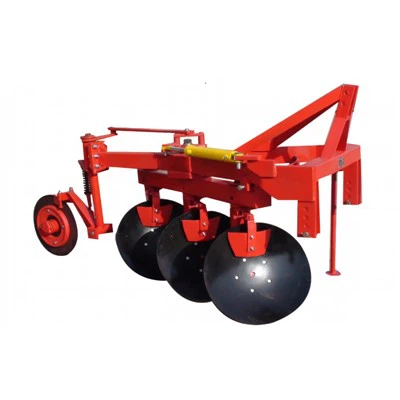
While we're on the topic of farming equipment, it's worth mentioning a few other implements that can work hand - in - hand with your grain seeder. For example, a Disc Plough is great for breaking up hard soil before sowing. It can help to improve soil aeration and drainage, which is essential for healthy seed germination.
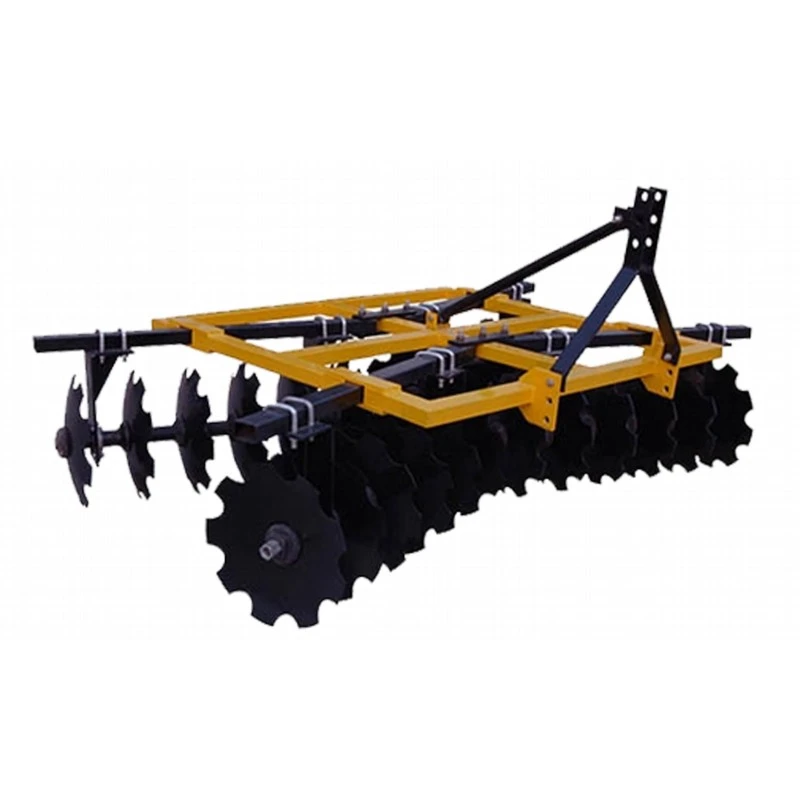
A Suspension Disc Harrow is another useful tool. It can be used to level the soil and incorporate fertilizers and other amendments. This creates a smooth and even seedbed, which is ideal for sowing.
And if you prefer a more thorough tilling method, a Rotary Tiller can be a good option. It can break up the soil into fine particles, making it easier for the seeds to take root.
Making the Right Choice
So, how do you decide which type of grain seeder is right for you? Well, it all comes down to your specific needs and circumstances. Consider the size of your farm, your budget, the types of crops you're growing, and your level of technical expertise.
If you're still not sure, don't hesitate to reach out. As a grain seeder supplier, I've helped many farmers make the right decision. I can provide you with more detailed information, answer your questions, and even arrange a demonstration if you're interested.
Whether you choose a pneumatic or a mechanical grain seeder, investing in the right equipment is crucial for a successful harvest. So, take your time, do your research, and make a choice that's best for your farm.
If you're interested in learning more about our grain seeders or other agricultural implements, or if you're ready to start a purchase negotiation, just shoot us a message. We're here to help you take your farming to the next level!
References
- Agricultural Machinery Handbook
- Farm Equipment Magazine articles on seeders
- Personal experience as a grain seeder supplier