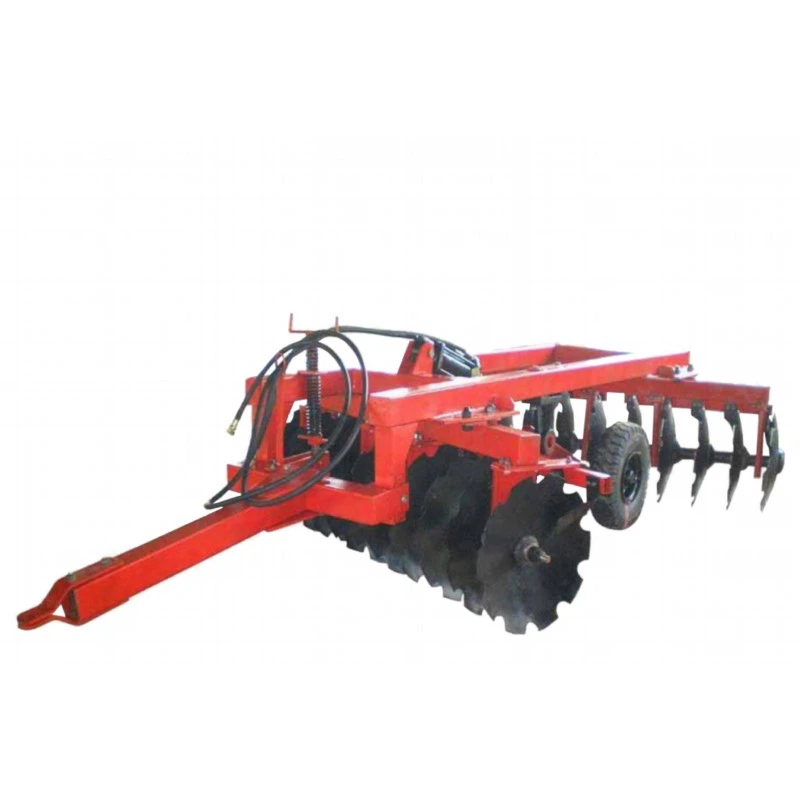
The disc plough is a fascinating agricultural implement with a long and storied history. As a disc plough supplier, I've had the privilege of delving into its past, present, and the role it plays in modern farming. In this blog, we'll take a deep dive into the history of the disc plough, exploring how it evolved and why it's still a crucial tool on the farm today.
Early Beginnings
The story of the disc plough dates back centuries. In the early days, farmers mainly used simple ploughs made of wood. These were often pulled by oxen or horses, and they were effective at turning over the top layer of soil. However, they struggled with tough, sticky, or rocky ground. Imagine trying to plough a field after a heavy rain, when the soil is like thick gum sticking to the plough's blades. That's where the idea of the disc plough started to take shape.
The concept of using discs for soil tillage is believed to have originated in ancient civilizations. The Egyptians and Greeks experimented with circular blades for working the land. These early attempts were rudimentary, but they set the stage for future developments. They used stone or bronze discs, which were probably heavy and difficult to operate, but it was a start.
The 19th - Century Revolution
The real breakthrough for the disc plough came in the 19th century. In 1837, a blacksmith named John Deere patented the first successful cast - steel plough. Although it wasn't a disc plough, this innovation was a big deal because it introduced the idea of using smooth, strong metal in plough construction. This set the groundwork for the disc plough, as manufacturers started to think about how to improve soil - turning implements.
In the mid - 19th century, several inventors began working on disc - based plough designs. James Oliver is often credited with inventing the modern disc plough in 1877. His plough featured several concave discs arranged in a row. The concave shape of the discs was a game - changer. It allowed the plough to cut through the soil more easily, turn it over, and break up clumps. The discs could also bypass obstacles like rocks and roots more effectively than traditional ploughs.
This new design was a huge success. Farmers in the United States and other parts of the world quickly adopted the disc plough. It was especially popular in the prairie regions, where the soil was thick and heavy. The disc plough could handle the tough grass sods, which were difficult to break with other ploughs.
Advancements in the 20th Century
The 20th century saw significant improvements in disc plough technology. With the advent of the internal combustion engine, tractors became the primary power source for agricultural implements. This meant that disc ploughs could be made larger and more powerful. They could cover more ground in less time, increasing the efficiency of farming operations.
Manufacturers also started to experiment with different materials and designs. For example, they developed discs made of high - strength steel alloys that were more durable and resistant to wear. The spacing and angle of the discs were optimized to improve soil penetration and turning. Some disc ploughs were designed with adjustable discs, allowing farmers to customize the ploughing depth and width according to their specific needs.
Modern - Day Disc Ploughs
Today, disc ploughs are an essential part of modern agriculture. They come in various sizes and configurations to suit different types of farms and soil conditions. Whether you're a small - scale farmer with a few acres or a large commercial operation, there's a disc plough out there for you.
One of the key advantages of modern disc ploughs is their versatility. They can be used for primary tillage, which means breaking up the soil before planting. They're great at burying crop residues, weeds, and fertilizers, which helps improve soil fertility. Moreover, disc ploughs can be used in a variety of soil types, from sandy to clayey.
In addition to their primary function, disc ploughs can also be used in combination with other agricultural implements. For instance, after ploughing with a disc plough, you might use a Trailed Disc Harrow to further break up the soil and prepare a smooth seedbed.
The Role of Disc Ploughs in Crop Production
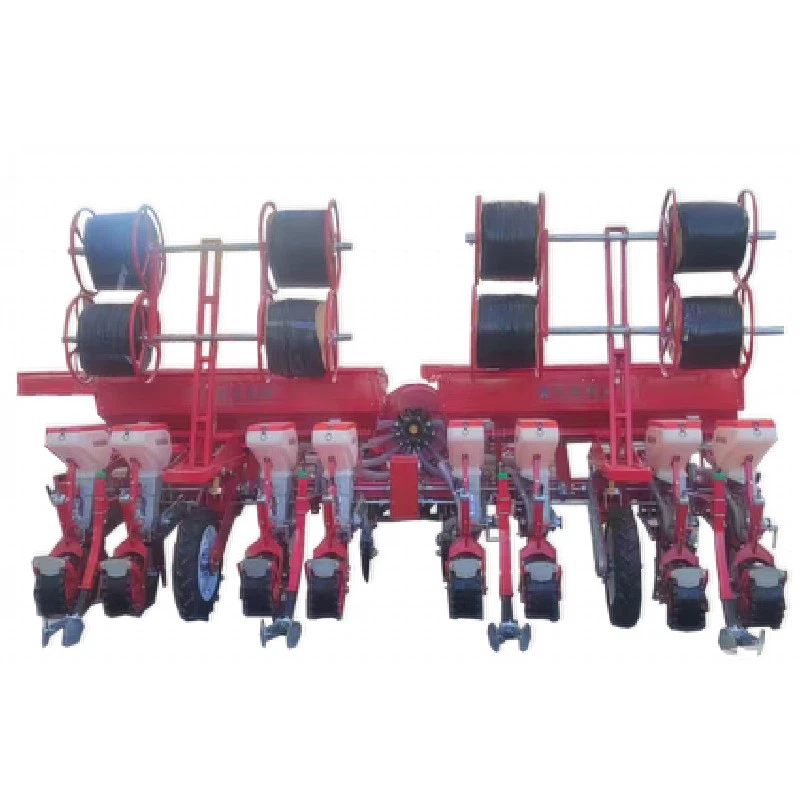
Disc ploughs play a crucial role in crop production. By turning over the soil, they help improve soil aeration, water infiltration, and nutrient availability. This creates a better environment for seeds to germinate and grow. For example, if you're planning to plant potatoes, using a disc plough to prepare the soil can make a big difference. After ploughing, you can use a Potato Planter to ensure accurate seed placement.
Similarly, when it comes to sowing seeds with precision, a disc - ploughed field provides a good base. You can follow up the ploughing process with a Pneumatic Seeder to ensure that seeds are distributed evenly across the field.
Why You Should Choose Us as Your Disc Plough Supplier
As a disc plough supplier, we understand the importance of quality and reliability. Our disc ploughs are built to last, using the latest technology and high - quality materials. We offer a wide range of models to meet the diverse needs of our customers. Whether you need a small, lightweight disc plough for a garden or a large, heavy - duty one for a commercial farm, we've got you covered.
Our team of experts is always available to provide advice and support. We can help you choose the right disc plough for your specific farming conditions and requirements. We also offer after - sales service, ensuring that your disc plough continues to perform at its best for years to come.
If you're in the market for a disc plough, or if you have any questions about our products, don't hesitate to reach out. We're here to help you take your farming operations to the next level. Contact us today to start a conversation about your disc plough needs and explore how we can assist you in achieving greater efficiency and productivity on your farm.
References
- "A History of Agricultural Implements" - by various agricultural historians
- "The Evolution of Tillage Equipment" - published in an agricultural technology journal
- Interviews with farmers and experts in the field of agriculture