

Hey there, fellow farmers and agricultural enthusiasts! I'm a supplier of grain seeders, and I've seen firsthand the impact that proper seed treatment can have on your farming operations. In this blog, I'm gonna talk about why seed treatment before using a grain seeder is so important.
1. Protection Against Pests and Diseases
One of the primary reasons for treating seeds before sowing is to protect them from pests and diseases. Seeds are vulnerable to a wide range of threats in the soil, including insects, fungi, bacteria, and viruses. These pests and pathogens can cause significant damage to the seeds, leading to poor germination rates, stunted growth, and reduced yields.
For example, fungal diseases like Fusarium and Pythium can attack the seeds and seedlings, causing root rot and damping-off. Insect pests such as wireworms and seed corn maggots can feed on the seeds, destroying them before they have a chance to germinate. By treating the seeds with appropriate pesticides or fungicides, you can create a protective barrier around the seeds, preventing pests and diseases from attacking them.
There are different types of seed treatments available for pest and disease control. Some treatments are applied as a coating on the seeds, while others are incorporated into the seed itself. For instance, neonicotinoid insecticides are commonly used as seed treatments to protect against a variety of insect pests. These insecticides are absorbed by the seed and then translocated to the growing plant, providing systemic protection.
2. Improved Germination and Early Growth
Seed treatment can also enhance the germination process and promote early growth of the seedlings. Many seed treatments contain nutrients, growth regulators, or beneficial microorganisms that can stimulate seed germination and improve the vigor of the seedlings.
Nutrient-rich seed treatments can provide essential elements like nitrogen, phosphorus, and potassium to the developing seedlings. These nutrients are crucial for the initial growth and establishment of the plants. Growth regulators, such as gibberellins and cytokinins, can regulate the growth and development of the seedlings, promoting root growth, shoot elongation, and overall plant vigor.
Beneficial microorganisms, such as rhizobacteria and mycorrhizal fungi, can form symbiotic relationships with the plant roots. Rhizobacteria can fix nitrogen from the atmosphere and make it available to the plants, while mycorrhizal fungi can enhance the uptake of nutrients and water by the roots. By including these beneficial microorganisms in the seed treatment, you can improve the nutrient availability and stress tolerance of the seedlings.
3. Enhanced Stress Tolerance
In modern agriculture, crops often face various environmental stresses, such as drought, salinity, and extreme temperatures. Seed treatment can help the plants better withstand these stresses and improve their chances of survival.
Some seed treatments contain osmoprotectants, such as trehalose and proline, which can help the plants maintain their water balance under drought conditions. These osmoprotectants can accumulate in the plant cells and prevent water loss, allowing the plants to survive longer periods of water shortage.
In addition, certain seed treatments can induce systemic acquired resistance (SAR) in the plants. SAR is a natural defense mechanism in plants that helps them resist a wide range of pathogens and abiotic stresses. By activating SAR through seed treatment, you can enhance the overall stress tolerance of the crops.
4. Compatibility with Grain Seeders
As a grain seeder supplier, I know how important it is for the seeds to be in the right condition for sowing. Seed treatment can improve the flowability and uniformity of the seeds, making them easier to handle and sow with a grain seeder.

When seeds are treated, they are often coated with a thin layer of material that can reduce friction between the seeds. This makes the seeds flow more smoothly through the seeder's metering system, ensuring accurate and consistent seed placement. Uniform seed size and shape are also important for proper seeding. Seed treatment can help to standardize the size and shape of the seeds, reducing the variability in seeding depth and spacing.
Moreover, some seed treatments can prevent the seeds from sticking together or clumping, which can cause blockages in the seeder. This is especially important when using precision seeding equipment, where accurate seed singulation is crucial for achieving optimal plant populations.
5. Cost - Effectiveness
While seed treatment does involve an additional cost, it can actually be a cost - effective strategy in the long run. By protecting the seeds from pests and diseases, improving germination and growth, and enhancing stress tolerance, seed treatment can lead to higher yields and better - quality crops.
Higher yields mean more produce to sell, which can increase your farm's revenue. Additionally, better - quality crops often command a higher price in the market. The cost of seed treatment is relatively small compared to the potential losses that can occur due to poor germination, pest damage, or disease outbreaks.
Other Agricultural Implements
If you're into farming, you might also be interested in other agricultural implements. For example, a Disc Mower is a great tool for cutting grass and other forage crops. It can work efficiently in large fields, helping you save time and labor.
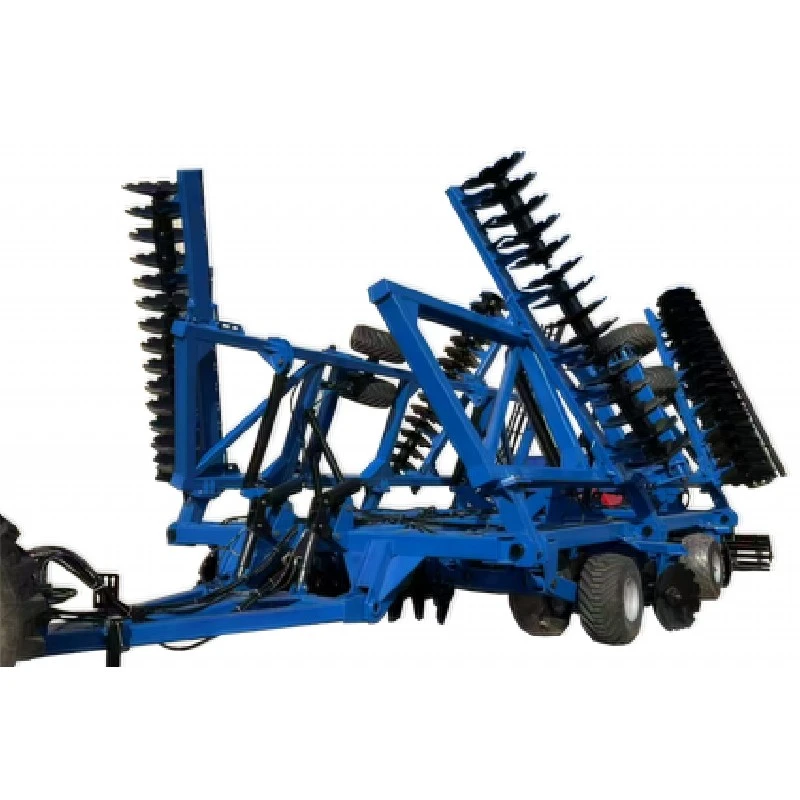
A Trailed Disc Harrow is useful for soil preparation. It can break up the soil, mix in crop residues, and level the field surface, creating a good seedbed for sowing.
And a Disc Plough is ideal for deep tillage. It can turn over the soil, bury weeds and crop residues, and improve soil aeration and drainage.
Conclusion
In conclusion, seed treatment before using a grain seeder is of utmost importance. It offers protection against pests and diseases, improves germination and early growth, enhances stress tolerance, ensures compatibility with grain seeders, and is cost - effective in the long run. As a grain seeder supplier, I highly recommend that you consider treating your seeds before sowing.
If you're interested in our grain seeders or have any questions about seed treatment, feel free to reach out. We're always here to help you make the most of your farming operations. Let's work together to achieve better yields and more successful harvests!
References
- Agrios, G. N. (2005). Plant Pathology. Academic Press.
- Hatfield, J. L., & Prueger, J. H. (2015). Climate impacts on agricultural pests, diseases, and weeds. Nature Climate Change, 5(1), 32 - 39.
- Kloepper, J. W., & Ryu, C. M. (2006). Induced systemic resistance and promotion of plant growth by Bacillus spp. Phytopathology, 96(10), 1099 - 1107.


