

Hey there! As a backhoe supplier, I often get asked about the engines that power these versatile machines. So, let's dive right in and talk about what kind of engine a backhoe typically has.
The Basics of Backhoe Engines
Backhoes are heavy - duty machines used in construction, landscaping, and other industries. They need an engine that can provide enough power to handle various tasks, from digging to lifting. Most backhoes are powered by diesel engines. Why diesel? Well, diesel engines have some significant advantages over other types of engines.
Power and Torque
Diesel engines are known for their high torque output. Torque is what allows the backhoe to dig into the ground, lift heavy loads, and perform other strenuous tasks. A backhoe needs a lot of low - end torque to get the job done efficiently. For example, when you're digging a deep trench, the engine needs to be able to power the hydraulic system that operates the digging arm. Diesel engines can deliver this torque at lower RPMs compared to gasoline engines, which means they can work more effectively in tough conditions.
Fuel Efficiency
Another great thing about diesel engines is their fuel efficiency. They burn fuel more slowly and completely than gasoline engines, which means you can get more work done on a single tank of fuel. This is a huge advantage for backhoe operators, as it reduces operating costs over time. If you're using a backhoe on a large construction site for days or weeks at a time, the savings on fuel can really add up.
Durability
Diesel engines are built tough. They have stronger components and are designed to withstand the high compression ratios that diesel combustion requires. This makes them more durable and reliable in the long run. A well - maintained diesel engine in a backhoe can last for thousands of hours of operation, which is essential for a machine that's used in demanding environments.
Different Sizes and Power Ratings
Backhoes come in different sizes, and the engine size and power rating will vary depending on the model. Smaller backhoes, often used for light - duty tasks like residential landscaping, may have engines with power ratings in the range of 30 - 60 horsepower. These engines are still capable of handling tasks like digging small holes, moving light loads, and operating the hydraulic systems of the backhoe.
On the other hand, larger backhoes used in commercial construction projects can have engines with power ratings of 100 horsepower or more. These high - powered engines can handle heavy - duty digging, lifting large amounts of soil or debris, and operating advanced hydraulic features. For example, a large backhoe with a powerful engine can dig deep foundations for buildings or move large boulders with ease.
Engine Technologies
Modern backhoe engines are equipped with advanced technologies to improve performance, reduce emissions, and enhance fuel efficiency. One such technology is turbocharging. Turbochargers force more air into the engine's cylinders, which allows for more fuel to be burned and increases the engine's power output. This means that a smaller engine can produce the same amount of power as a larger, naturally - aspirated engine.
Another important technology is electronic engine management systems. These systems monitor and control various aspects of the engine's operation, such as fuel injection timing, air - fuel ratio, and ignition. By constantly adjusting these parameters, the engine can operate at its optimal performance level under different conditions. This not only improves power and fuel efficiency but also reduces emissions, making the backhoe more environmentally friendly.
Comparing with Other Equipment Engines
It's interesting to compare backhoe engines with the engines of other types of agricultural and construction equipment. For instance, a Pneumatic Seeder typically has a much smaller engine, as its main function is to distribute seeds evenly. These engines are usually designed for low - power, continuous operation and may run on gasoline or even electric power in some modern models.
A Front End Loader is similar to a backhoe in that it's used for moving materials, but its engine requirements may be different. Front end loaders often need engines with high - speed capabilities to quickly move large amounts of material over short distances. However, they also need good torque for lifting heavy loads.
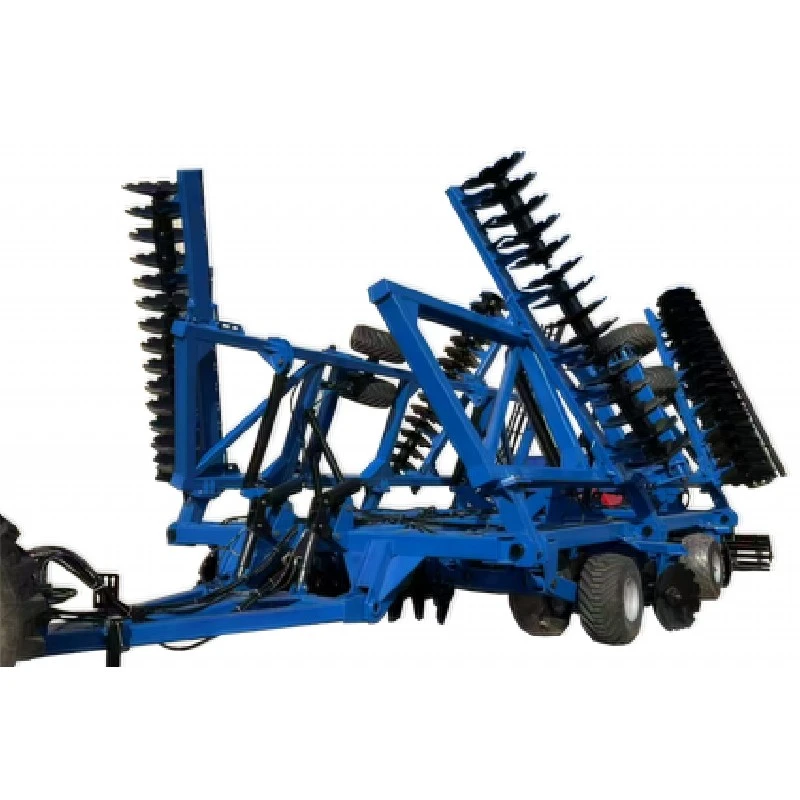
A Trailed Disc Harrow is pulled behind a tractor, and its operation is mainly dependent on the tractor's engine. The tractor engine needs to have enough power to pull the disc harrow through the soil and operate any additional hydraulic or mechanical features of the harrow.
Maintenance and Care
Proper maintenance is crucial for keeping a backhoe engine running smoothly. Regular oil changes are essential to lubricate the engine's moving parts and prevent wear and tear. The air filter should also be checked and replaced regularly to ensure that clean air is entering the engine. A dirty air filter can reduce engine performance and increase fuel consumption.
The fuel system also needs to be maintained. Diesel fuel can contain contaminants, so using a high - quality fuel filter is important. Additionally, the engine's cooling system should be inspected to make sure it's working properly. Overheating can cause serious damage to the engine.
Conclusion
So, there you have it! Most backhoes are powered by diesel engines because of their power, torque, fuel efficiency, and durability. The engine size and power rating depend on the size and intended use of the backhoe. With advanced technologies like turbocharging and electronic engine management systems, modern backhoe engines are more efficient and environmentally friendly than ever before.
If you're in the market for a backhoe, or if you have any questions about the engines that power them, don't hesitate to reach out. We're here to help you find the right backhoe for your needs and ensure that you get the most out of your investment. Whether you're a small - scale landscaper or a large construction company, we've got the expertise to guide you through the purchasing process.

References
- "Diesel Engine Handbook" by Bosch
- "Construction Equipment Engine Technology" by McGraw - Hill Professional


