

In the realm of modern agriculture, efficient land preparation is crucial for healthy crop growth and high yields. A share plow is one of the fundamental tools that has been serving farmers for centuries, and it continues to be an essential implement in many farms today. As a share plow supplier, I often receive inquiries from farmers about training courses for using a share plow. In this blog, I'll explore the availability of such training courses and provide some insights on how to use a share plow effectively.
The Importance of Proper Share Plow Use
Before diving into the training courses, it's essential to understand why proper use of a share plow is so important. A share plow is designed to turn over the soil, which helps in burying weeds and crop residues, aerating the soil, and facilitating better water infiltration. However, improper use can lead to uneven plowing, which may affect the quality of the seedbed and ultimately, the crop yield. For example, if the plow is not adjusted correctly, it may not cut through the soil evenly, leaving behind unplowed strips or causing excessive soil compaction.
Availability of Training Courses
The availability of training courses for using a share plow varies depending on several factors. In some regions, agricultural extension services offer workshops and training sessions on various farming practices, including the use of different types of plows. These courses are usually led by experienced agronomists or farmers who have in-depth knowledge of the local soil conditions and farming techniques. They provide hands - on training, allowing participants to practice plowing on actual fields and learn how to adjust the plow for different soil types.
Some equipment manufacturers also offer training courses as part of their customer support services. As a share plow supplier, we understand the importance of ensuring that our customers can use our products effectively. That's why we occasionally organize training seminars at our demonstration farms. In these seminars, we cover everything from the basic operation of the share plow to more advanced techniques for optimizing its performance. Participants have the opportunity to see the plow in action, ask questions, and get personalized advice on how to use it in their specific farming situations.
In addition to in - person training courses, there are also many online resources available. Agricultural websites, YouTube channels, and online forums provide a wealth of information on share plow use. These resources often include video tutorials, user manuals, and discussions where farmers can share their experiences and learn from each other. For instance, there are step - by - step guides on how to assemble the plow, adjust the depth and width of the furrow, and troubleshoot common problems.
Related Agricultural Implements and Their Use
While the share plow is a vital implement, it is often used in conjunction with other agricultural tools to achieve the best results in land preparation. For example, a Disc Mower can be used to cut down the existing vegetation before plowing. This helps in reducing the resistance of the plow as it moves through the soil and also makes it easier to bury the crop residues.
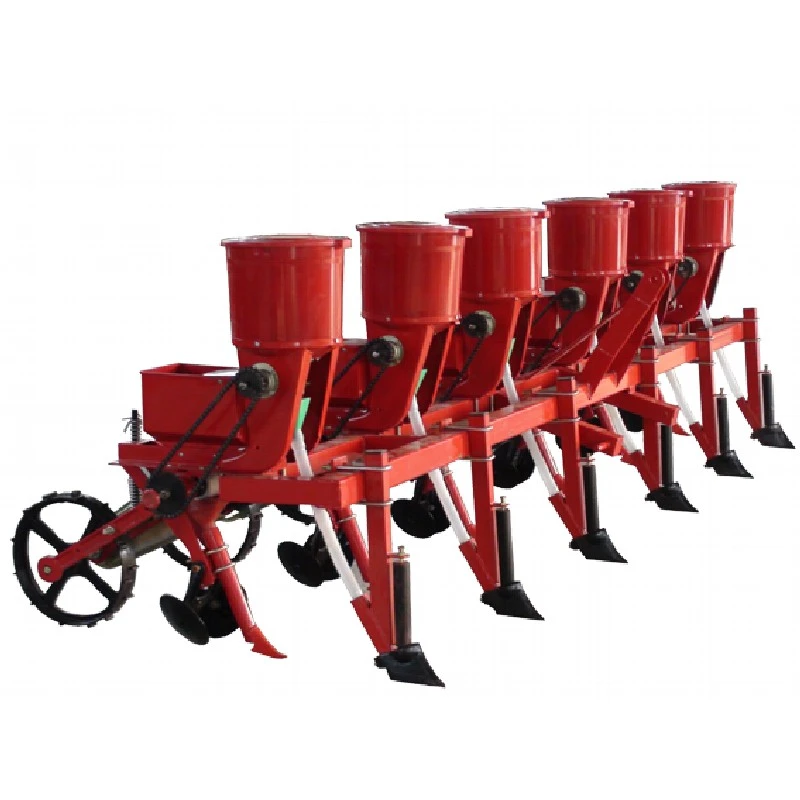
After plowing, a Precision Seeder can be used to plant seeds at the right depth and spacing. This ensures that each seed has enough space, nutrients, and water to grow into a healthy plant. A Rotary Tiller is another useful implement that can be used after plowing to break up the soil clods and create a fine seedbed.

Tips for Using a Share Plow
Whether you are attending a training course or learning from online resources, here are some general tips for using a share plow effectively:
- Understand Your Soil Type: Different soil types, such as sandy, loamy, or clayey, require different plowing techniques. For example, clayey soil is heavier and more compact, so you may need to adjust the plow to a shallower depth initially and make multiple passes to achieve the desired soil structure.
- Proper Adjustment: Make sure the share and the moldboard of the plow are sharp and properly aligned. A dull share will not cut through the soil efficiently, while a misaligned moldboard will not turn the soil over correctly.
- Plowing Pattern: Plan your plowing pattern in advance. A common pattern is to start from the outside of the field and work your way inwards. This helps in creating an even and well - structured seedbed.
- Maintenance: Regularly clean and lubricate the plow to prevent rust and ensure smooth operation. Check the bolts and nuts for tightness before each use.
Contact for More Information and Purchase
If you are interested in learning more about our share plows or the training courses we offer, we encourage you to reach out to us. Our team of experts is always ready to assist you with any questions you may have about the product, its usage, or how it can fit into your farming operations. Whether you are a small - scale farmer looking to improve your land preparation methods or a large - scale agricultural enterprise in need of high - quality plows, we can provide you with the solutions you need.
We also welcome inquiries about purchasing our share plows. Our products are designed to meet the highest standards of quality and performance, and we offer competitive pricing and excellent customer service. By choosing our share plows, you are investing in a reliable and efficient tool that will help you achieve better yields and more successful farming seasons.
References
Black, J. (2018). Agricultural Machinery Handbook. McGraw - Hill.
Smith, A. (2020). Modern Farming Techniques: Land Preparation. Journal of Agricultural Science.


