Hey there, fellow trailer enthusiasts! I'm a supplier of single axle trailers, and today I'm gonna walk you through the process of installing a fender on a single axle trailer. It might seem a bit daunting at first, but with the right tools and a little know - how, you'll have that fender up in no time.
Why Install a Fender?
Before we jump into the installation process, let's talk about why you'd want to install a fender on your single axle trailer. Fenders serve a couple of important purposes. First off, they protect your trailer and the things you're hauling from mud, rocks, and other debris that can get kicked up by the wheels. This helps prevent damage to your trailer's body and any cargo you've got on board. Secondly, fenders are often required by law in many areas. So, it's not just a good idea; it's a necessity in some cases.
Tools You'll Need
Alright, let's gather the tools we'll need for this job. You're gonna need a socket set, which comes in handy for removing and tightening bolts. A drill with the appropriate drill bits is also essential, especially if you need to create new holes for the fender. A measuring tape will help you get the fender in the right position, and a level will ensure it's straight. And don't forget a good pair of safety glasses to protect your eyes from any flying debris.
Step 1: Prepare Your Trailer
The first step is to make sure your trailer is in a safe and stable position. Park it on a flat surface and engage the parking brake. If your trailer has a jack, use it to lift the trailer slightly to relieve some pressure on the wheels. This will make it easier to work on the fender installation.
Next, clean the area where the fender will be installed. Remove any dirt, rust, or debris from the trailer frame. A wire brush can be really useful for this task. You want a clean surface so that the fender will attach properly and stay in place.

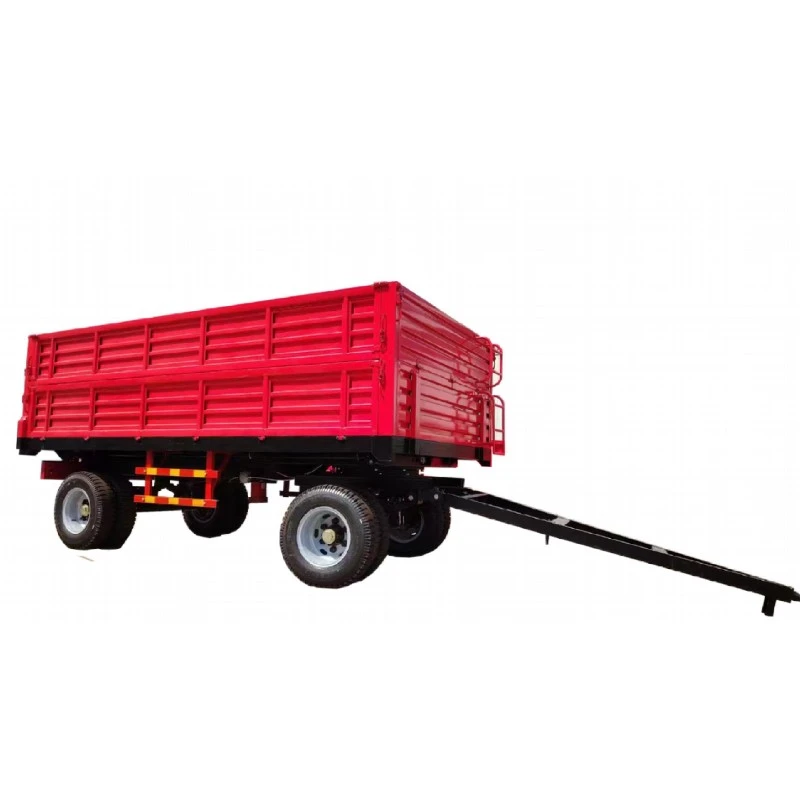
Step 2: Measure and Mark
Now it's time to measure and mark the position for the fender. Use your measuring tape to determine the correct placement. The fender should be centered over the wheel and at the right height. It should be close enough to the wheel to catch the debris but not so close that it rubs against the tire.
Once you've determined the position, use a marker to mark the holes on the trailer frame where the fender will be attached. Make sure your marks are clear and accurate.
Step 3: Drill Holes (if necessary)
If your trailer doesn't already have the holes for the fender, you'll need to drill them. Use your drill and the appropriate drill bits to create the holes at the marked locations. Make sure to drill straight and at the right depth. You might want to use a piece of scrap metal or wood as a backing to prevent the drill bit from going through the other side of the frame.
Step 4: Attach the Fender
Now comes the fun part - attaching the fender. Line up the fender with the holes on the trailer frame. You may need a friend to help you hold the fender in place while you insert the bolts. Use your socket set to tighten the bolts securely. Make sure the fender is level and straight as you tighten the bolts.
Step 5: Check and Adjust
After you've attached the fender, give it a good check. Make sure all the bolts are tight and that the fender is securely in place. Use your level to double - check that it's straight. If the fender is a bit off - center or not level, you can loosen the bolts slightly and make the necessary adjustments.
Tips and Tricks
- If you're having trouble getting the bolts through the holes, try using a little bit of lubricant on the bolts. This can make it easier to insert and tighten them.
- When drilling holes, start with a smaller drill bit and then gradually increase the size to the final required size. This can help prevent the metal from cracking or splitting.
Other Products We Offer
As a single axle trailer supplier, we also offer a range of other great products. If you're into agricultural work, you might be interested in our Rotary Tiller. It's a powerful tool that can really make your soil preparation a breeze.
For those who need a bit more hauling capacity, our Double Axle Trailer is a great option. It can handle heavier loads and is built to last.
And if you're in the market for some heavy - duty digging equipment, check out our Backhoe. It's perfect for all kinds of construction and excavation projects.
Contact Us for Purchasing
If you're interested in any of our products, including single axle trailers or the other items I mentioned, don't hesitate to reach out. We're here to help you find the right equipment for your needs. Whether you're a professional contractor or a weekend DIYer, we've got something for you.
References
- Trailer Installation Manuals
- Online Trailer Forums
- Manufacturer's Guides for Tools and Equipment