

As a front end loader supplier, I understand the critical importance of proper operator training. Front end loaders are powerful and versatile machines used in a wide range of industries, from construction and agriculture to waste management. Ensuring that operators are well - trained not only enhances safety but also improves productivity and reduces the risk of equipment damage. In this blog, I will delve into the operator training requirements for a front end loader.
Pre - Training Requirements
Before an individual can start hands - on training for operating a front end loader, there are several pre - training requirements that need to be met.
First and foremost, the operator should have a basic understanding of mechanical concepts. This includes knowledge of how engines work, the function of hydraulic systems, and basic electrical principles. A front end loader is a complex machine, and a fundamental grasp of these concepts will make it easier for the operator to understand how the loader operates and how to troubleshoot minor issues.
Physical fitness is also a crucial pre - training requirement. Operating a front end loader can be physically demanding. The operator needs to have good hand - eye coordination, sufficient strength to operate the controls, and the ability to sit for extended periods in a sometimes - vibrating environment. Additionally, good vision and hearing are essential for safe operation, as the operator needs to be able to see potential hazards and hear warning signals.
Another important pre - training aspect is obtaining the necessary legal documentation. In many regions, operators are required to have a valid driver's license. Depending on the type of work and the location, there may also be specific permits or certifications needed to operate a front end loader. For example, in some areas, construction equipment operators may need to be registered with a local regulatory body.
Theoretical Training
Theoretical training forms the foundation of a front end loader operator's knowledge. This training typically covers a wide range of topics.
Machine Familiarization
The operator must be thoroughly familiar with the front end loader's components. This includes understanding the functions of the boom, bucket, hydraulic cylinders, and the control panel. They should know how to identify different parts of the machine and what their purposes are. For instance, the boom is responsible for lifting and lowering the bucket, while the hydraulic cylinders provide the power for these movements.
Safety Procedures
Safety is of utmost importance when operating a front end loader. Theoretical training should cover safety procedures in detail. This includes understanding the importance of wearing personal protective equipment (PPE) such as hard hats, safety glasses, and steel - toed boots. Operators should also be trained on how to perform pre - operation safety checks. These checks involve inspecting the tires for proper inflation and damage, checking the fluid levels (such as hydraulic fluid, engine oil, and coolant), and ensuring that all safety devices, like seat belts and warning lights, are in working order.
Operating Principles
Theoretical training should explain the basic operating principles of the front end loader. This includes how to start and stop the machine correctly, how to shift gears (if applicable), and how to control the speed and direction of the loader. Operators need to understand the relationship between the control levers and the movement of the machine's components. For example, moving a certain lever forward or backward will cause the boom to lift or lower.
Load Capacity and Stability
Understanding the load capacity and stability of the front end loader is crucial. Operators should be taught how to calculate the maximum load that the loader can safely carry. Overloading the loader can lead to instability, which in turn can cause the machine to tip over. They should also learn about the factors that affect stability, such as the position of the load, the terrain, and the speed of the machine.
Practical Training
Practical training is where the operator gets hands - on experience with the front end loader. This training should be conducted in a controlled environment, preferably under the supervision of an experienced instructor.
Basic Manipulation
The operator starts by learning basic manipulation skills. This includes how to drive the loader forward and backward, turn it left and right, and stop it smoothly. They practice using the control levers to operate the boom and bucket, learning how to lift, lower, tilt, and dump loads. These basic skills are essential for performing simple tasks such as moving materials from one location to another.
Loading and Unloading Techniques
Practical training also focuses on proper loading and unloading techniques. The operator learns how to approach a pile of material, position the bucket correctly, and fill it without overloading. They are taught how to lift the loaded bucket to the appropriate height and then transport it to the unloading area. When unloading, they learn how to control the dumping process to ensure that the material is deposited in the desired location.
Working in Different Terrains
Front end loaders are used in a variety of terrains, including flat ground, slopes, and uneven surfaces. Practical training should expose the operator to different terrains so that they can learn how to adjust their driving and operating techniques accordingly. For example, when operating on a slope, the operator needs to be aware of the potential for the loader to tip over and take appropriate precautions, such as driving slowly and keeping the load low.
Maintenance and Troubleshooting
In addition to operating the loader, practical training should also cover basic maintenance and troubleshooting. The operator learns how to perform routine maintenance tasks, such as cleaning the machine, lubricating moving parts, and changing filters. They are also trained to identify common problems, such as hydraulic leaks or engine malfunctions, and how to take initial steps to address them.
Continuing Education
The field of front end loader operation is constantly evolving, with new technologies and safety standards emerging. Therefore, continuing education is essential for operators.
New Technologies
New technologies are being introduced in front end loaders all the time. For example, some loaders now come with advanced control systems that can improve efficiency and safety. Operators need to be trained on these new technologies to take full advantage of them. This may involve attending workshops or online courses to learn about the latest features and how to use them.
Safety Updates
Safety standards and regulations are also subject to change. Continuing education ensures that operators are aware of the latest safety requirements and best practices. This helps to keep them and their colleagues safe on the job.
Industry - Specific Training
Depending on the industry in which the front end loader is used, there may be additional training requirements.
Construction Industry
In the construction industry, front end loaders are often used for tasks such as moving building materials, grading sites, and loading trucks. Operators in this industry need to be trained on how to work in a construction site environment, which may involve dealing with other heavy equipment, workers on foot, and complex traffic patterns. They also need to understand how to follow construction - specific safety regulations.

Agricultural Industry
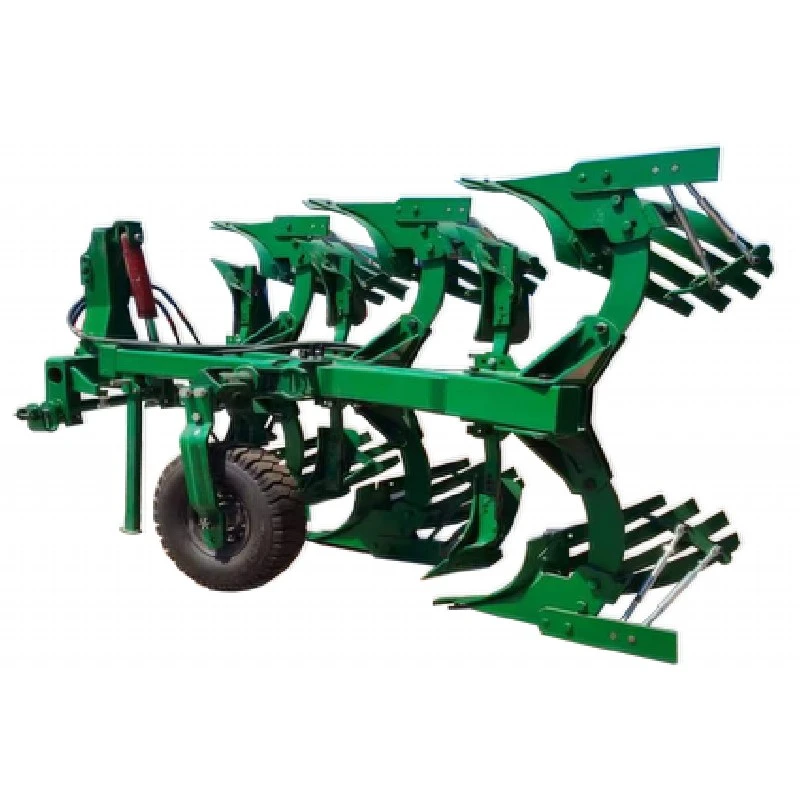
In agriculture, front end loaders are used for tasks such as handling hay bales, loading manure, and moving feed. Operators in this industry need to be familiar with agricultural equipment and practices. They may need to learn how to attach and operate different types of agricultural implements, such as Lawn Mower, Hydraulic Reversible Plow, and Suspension Disc Harrow.
Conclusion
Proper operator training is essential for the safe and efficient operation of a front end loader. From pre - training requirements to theoretical and practical training, and continuing education, every aspect plays a vital role in ensuring that operators are well - equipped to handle these powerful machines. As a front end loader supplier, I am committed to providing support and resources to help our customers train their operators effectively.
If you are in the market for a front end loader or need more information about operator training, I encourage you to reach out to us. We can provide you with detailed information about our products and assist you in developing a comprehensive training program for your operators.
References
- Construction Equipment Operator Training Manuals
- Agricultural Machinery Safety Guidelines
- Industry - specific Safety Regulations and Standards


