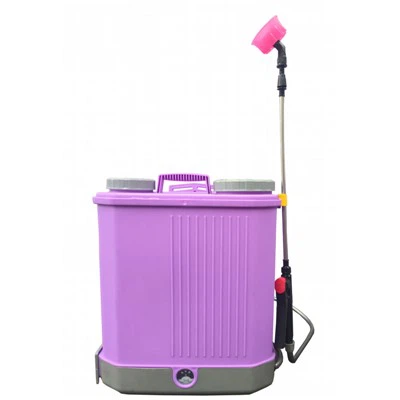
Hey there! As a supplier of Manual Sprayers, I get a lot of questions from customers about how to replace the parts of these handy tools. So, I thought I'd put together this blog post to walk you through the process step by step.
First off, let's talk about why you might need to replace parts in the first place. Over time, wear and tear can take a toll on your manual sprayer. Maybe the nozzle is clogged or the pump isn't working as well as it used to. Whatever the reason, replacing parts can extend the life of your sprayer and keep it performing at its best.


Before you start replacing parts, you'll need to gather a few tools. You'll probably need a set of screwdrivers, pliers, and maybe a wrench depending on the type of sprayer you have. It's also a good idea to have a clean, well - lit workspace where you can lay out all the parts.
Let's start with the nozzle. The nozzle is one of the most common parts that need to be replaced. If you notice that the spray pattern is uneven or the liquid isn't coming out as it should, it might be time to change the nozzle.
To replace the nozzle, first, turn off the sprayer and release any pressure that might be built up inside. You can usually do this by pressing the trigger a few times. Then, use your pliers to gently unscrew the old nozzle from the sprayer. Be careful not to damage the threads. Once the old nozzle is removed, take your new nozzle and screw it on tightly. Make sure it's properly aligned so that the spray pattern is correct.
Next up is the pump. The pump is what creates the pressure to push the liquid out of the sprayer. If you're having trouble building up pressure or the pump is making strange noises, it might be the pump that needs to be replaced.
To replace the pump, you'll need to open up the sprayer. This usually involves removing a few screws with your screwdriver. Once the sprayer is open, locate the pump. It's usually a large, plastic or metal component near the handle. Disconnect any hoses or connections that are attached to the pump. You might need to use your pliers to gently pull them off.
Take out the old pump and compare it with the new one to make sure they're the same. Then, connect the hoses and other connections to the new pump. Carefully place the new pump back into the sprayer and reassemble the unit by putting the screws back in.
Another important part is the tank. If the tank has a crack or a leak, you'll need to replace it. To replace the tank, first, empty any remaining liquid from the old tank. Then, remove the tank from the sprayer. This might involve unscrewing a few bolts or clips.
Once the old tank is removed, take your new tank and attach it to the sprayer. Make sure all the connections are secure and there are no gaps where liquid could leak out.
Now, let's talk about some tips to make the replacement process easier. Always refer to the user manual that came with your sprayer. It will have specific instructions and diagrams for your model. Also, when you're buying replacement parts, make sure they're compatible with your sprayer. You can usually find this information on the product packaging or by contacting the manufacturer.
If you're not comfortable replacing the parts yourself, you can always take your sprayer to a professional repair shop. But doing it yourself can save you time and money.
In addition to manual sprayers, we also offer other types of sprayers like Electric Sprayer and Boom Sprayer. These sprayers have different features and are suitable for different applications. If you're interested in learning more about them, just click on the links.
If you're in the market for a new Manual Sprayer or need replacement parts, we're here to help. We have a wide range of high - quality products at competitive prices. Whether you're a professional farmer, a gardener, or just someone who needs to spray a small area around your home, we've got the right sprayer for you.
If you have any questions about our products or the replacement process, don't hesitate to reach out. We're always happy to assist you with your purchasing decisions and any technical support you might need.
References
- Various user manuals of manual sprayers
- Industry knowledge and experience in sprayer manufacturing and repair