

When it comes to cultivating soil for gardening or small - scale farming, rotary tillers are indispensable tools. As a supplier of rotary tillers, I often get asked about the differences between front - tine and rear - tine rotary tillers. Understanding these differences is crucial for customers to make an informed decision based on their specific needs.
Design and Structure
The most obvious difference between front - tine and rear - tine rotary tillers lies in the position of the tines. In a front - tine rotary tiller, the tines are located at the front of the machine. This design places the power source, usually an engine, behind the tines. The tines are directly attached to a shaft that is driven by the engine, and they rotate in a forward - moving pattern.
On the other hand, rear - tine rotary tillers have their tines positioned at the rear of the unit. The engine is typically placed in front of the tines. This configuration gives the machine a different balance and weight distribution compared to front - tine tillers. The tines on rear - tine tillers can rotate in either a forward or reverse direction, which offers more flexibility in soil cultivation.
Ease of Maneuverability
Front - tine rotary tillers are generally more maneuverable in tight spaces. Their lightweight design and the fact that the tines are at the front make them easier to turn and navigate around obstacles such as flower beds or small trees. They are ideal for small gardens or areas with limited space. For example, if you have a small urban garden with a lot of plantings, a front - tine tiller can be easily guided between the plants to till the soil.
Rear - tine tillers, however, are a bit more difficult to maneuver in confined areas. Their larger size and weight can make it challenging to turn them quickly. But in open fields or large gardens, their stability and power come into play. They can cover a larger area more efficiently, and their rear - tine design allows them to pull the machine forward, reducing the amount of physical effort required from the operator.
Soil Penetration and Cultivation Depth
Rear - tine rotary tillers usually offer better soil penetration and can achieve greater cultivation depths. The weight of the machine is distributed over the rear tines, which helps them dig deeper into the soil. This makes them suitable for breaking up hard, compacted soil or preparing large areas for planting. For instance, if you are starting a new garden on an area that has been left fallow for a long time, a rear - tine tiller can effectively turn over the tough soil.
Front - tine tillers are better suited for lighter soil cultivation. They can till soil to a moderate depth, typically up to about 6 - 8 inches. They are great for maintaining existing gardens, mixing in compost or fertilizers, and preparing the top layer of soil for seeding.
Power and Performance
In terms of power, rear - tine tillers are generally more powerful. They are equipped with larger engines to handle the heavier workload of deep soil cultivation. The ability to reverse the tine rotation also adds to their performance. Reverse rotation can be used to break up large clumps of soil more effectively or to work the soil in a different direction for a more thorough cultivation.
Front - tine tillers usually have smaller engines, which is sufficient for their intended use in lighter soil work. They are less powerful but more fuel - efficient, making them a cost - effective option for small - scale gardening.
Cost
Cost is an important factor for many customers. Front - tine rotary tillers are generally less expensive than rear - tine tillers. Their simpler design and smaller engines contribute to the lower cost. They are a great option for budget - conscious gardeners or those who only need a tiller for occasional use.
Rear - tine tillers, with their more complex design, larger engines, and greater capabilities, come with a higher price tag. However, for professional gardeners or those with large - scale gardening needs, the investment can be well worth it in terms of the efficiency and performance they offer.
Applications in Different Agricultural Contexts
In small - scale home gardening, front - tine tillers are very popular. They are easy to use, affordable, and can handle the typical tasks of preparing garden beds, weeding, and mixing in amendments. For example, a homeowner who wants to grow a few vegetables in their backyard can use a front - tine tiller to quickly prepare the soil for planting.
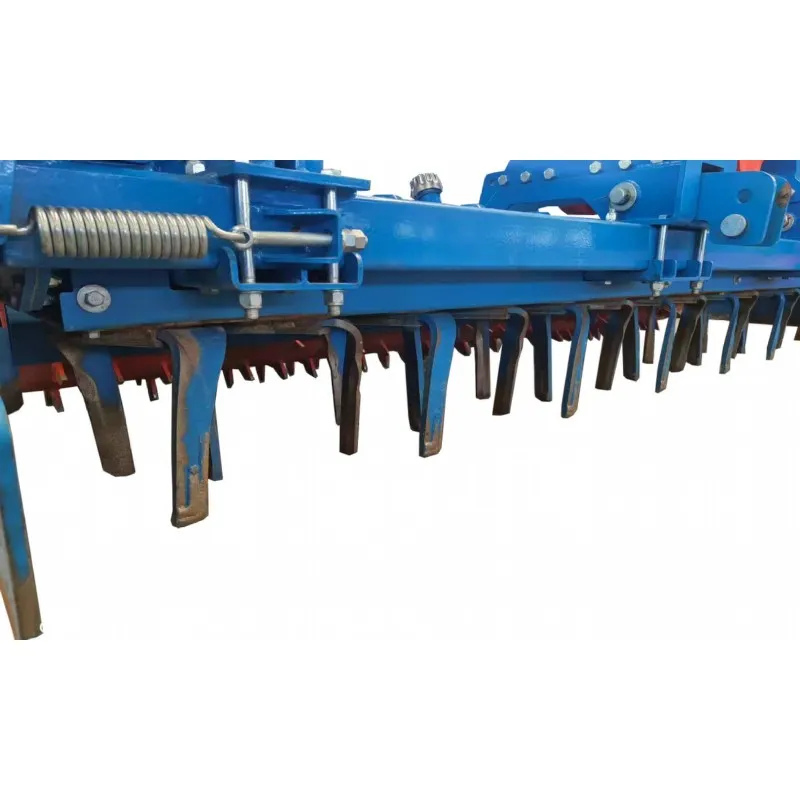
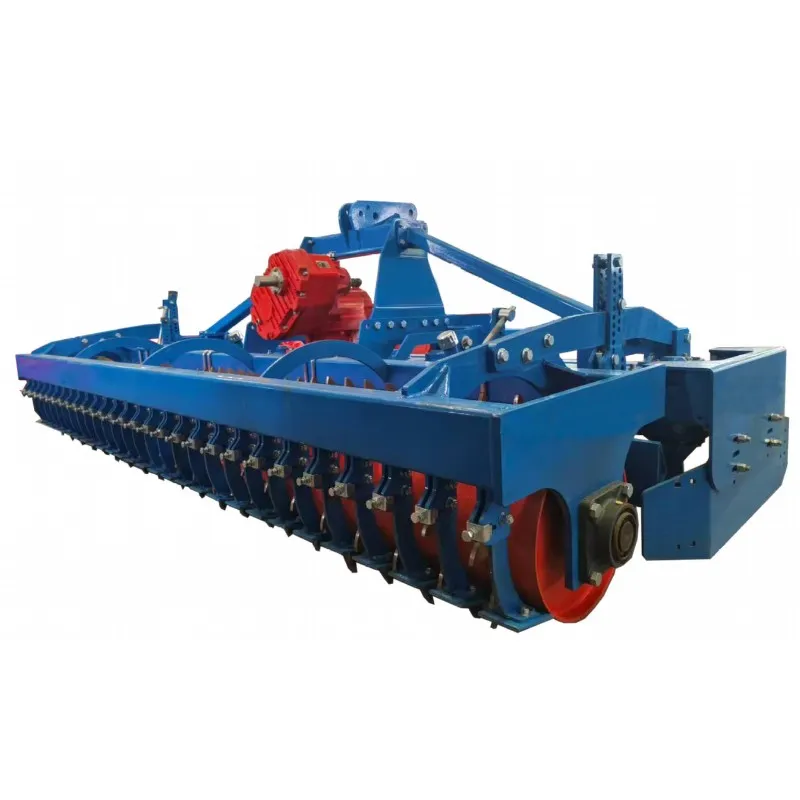
In larger agricultural settings, such as small farms or community gardens, rear - tine tillers are more commonly used. They can cover large areas in a shorter time and are better at handling the challenges of heavy - duty soil cultivation. They are also often used in conjunction with other agricultural implements like the Driven Harrow for more comprehensive soil preparation.
Maintenance and Durability
Both front - tine and rear - tine rotary tillers require regular maintenance to ensure their longevity. Front - tine tillers, with their simpler design, are generally easier to maintain. The tines are more accessible for cleaning and replacement, and the engine is often easier to service.
Rear - tine tillers, while more complex, are built to withstand heavy - duty use. They are made with more robust components, which can make them more durable in the long run. However, their maintenance may require more time and expertise, especially when it comes to servicing the larger engines and the more complicated tine drive systems.
Complementary Agricultural Tools
When considering a rotary tiller, it's also important to think about other agricultural tools that can work in tandem with it. For example, a Lawn Mower can be used after tilling to keep the surrounding areas neat. And a Trailed Disc Harrow can be used to further break up the soil and level the ground after the initial tilling with a rotary tiller.
Conclusion
In conclusion, the choice between a front - tine and rear - tine rotary tiller depends on several factors, including the size of the area to be tilled, the type of soil, the budget, and the frequency of use. As a supplier of rotary tillers, I am here to help you make the right decision based on your specific requirements. Whether you need a lightweight and maneuverable front - tine tiller for your small garden or a powerful rear - tine tiller for large - scale cultivation, we have a wide range of options to suit your needs.
If you are interested in purchasing a rotary tiller or have any questions about our products, please feel free to contact us. We are ready to assist you in finding the perfect tiller for your agricultural or gardening needs.
References
- "Agricultural Machinery Handbook", various authors, published by an agricultural machinery publishing house.
- Industry reports on rotary tiller performance and market trends.


