Hey there, fellow farmers and vineyard enthusiasts! As a supplier of Driven Harrows, I often get asked if these bad - boys can be used for vineyard soil preparation. Well, let's dig deep into this topic and find out.
Vineyard Soil Requirements
First off, we need to understand what makes good soil for vineyards. Vine roots need a well - drained environment. They don't like sitting in waterlogged soil, as it can lead to root rot and other diseases. At the same time, the soil should be able to hold enough moisture to keep the vines hydrated, especially during dry spells.
The soil also needs to be loose and friable. This allows the roots to penetrate easily and spread out in search of nutrients. A good balance of air and water in the soil is crucial for healthy vine growth. Additionally, vineyards often benefit from soil that has a good amount of organic matter, which helps with nutrient retention and soil structure.
How Driven Harrows Work
A driven harrow is a powerful piece of agricultural equipment. It consists of a series of tines or discs that are powered by a tractor's power take - off (PTO). When the PTO is engaged, the tines or discs rotate at high speeds, breaking up the soil.
The rotating action of the driven harrow is different from that of a regular harrow. Regular harrows are usually pulled behind a tractor and rely on the forward motion to break up the soil. In contrast, a driven harrow actively works the soil from below, creating a more thorough and consistent tillage.
Advantages of Using Driven Harrows for Vineyard Soil Preparation
1. Soil Aeration
One of the main benefits of using a driven harrow in vineyards is soil aeration. The rotating tines or discs create small air pockets in the soil. This allows oxygen to reach the roots, which is essential for root respiration. When roots can breathe properly, they can absorb nutrients more efficiently, leading to healthier vines.
2. Weed Control
Driven harrows can also be effective in controlling weeds. The high - speed rotation of the tines can uproot small weeds and bury their seeds. This reduces the weed population in the vineyard, which is great because weeds compete with vines for water, nutrients, and sunlight.
3. Soil Compaction Relief
Vineyard soil can become compacted over time, especially in areas where heavy equipment is used. A driven harrow can break up compacted soil layers, allowing water and air to penetrate more easily. This is important for maintaining a healthy root system.
4. Incorporation of Organic Matter
If you're adding organic matter like compost or manure to your vineyard soil, a driven harrow can help incorporate it evenly. The rotating action mixes the organic matter into the soil, ensuring that the nutrients are distributed throughout the root zone.
Considerations When Using Driven Harrows in Vineyards
1. Depth of Tillage
It's important to control the depth of tillage when using a driven harrow in a vineyard. You don't want to till too deeply and damage the vine roots. Most vine roots are concentrated in the top 12 - 18 inches of soil, so it's best to keep the tillage depth within this range.
2. Timing
The timing of soil preparation is crucial. You should avoid using a driven harrow when the soil is too wet. Working wet soil can lead to soil compaction and damage the soil structure. It's best to wait until the soil is at the right moisture level, which is usually when it crumbles easily in your hand.
3. Vine Protection
When using a driven harrow near the vines, you need to take precautions to protect the vines. You can use shields or guards to prevent the tines from hitting the vines. Also, make sure to leave a sufficient buffer zone around the vines to avoid any accidental damage.
Comparing Driven Harrows with Other Agricultural Implements
1. Drum Mower
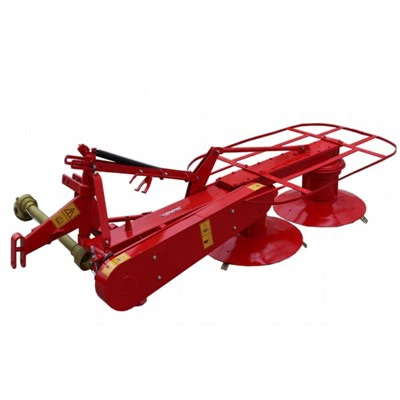
A Drum Mower is mainly used for cutting grass and forage. It's not designed for soil preparation. While it can help keep the area around the vineyard tidy by cutting the grass, it doesn't have the ability to break up and till the soil like a driven harrow.


2. Grain Seeder
A Grain Seeder is used for planting seeds. It's not a soil - preparation tool. However, after using a driven harrow to prepare the soil, a grain seeder can be used to plant cover crops in the vineyard, which can help with soil conservation and nutrient cycling.
3. Share Plow
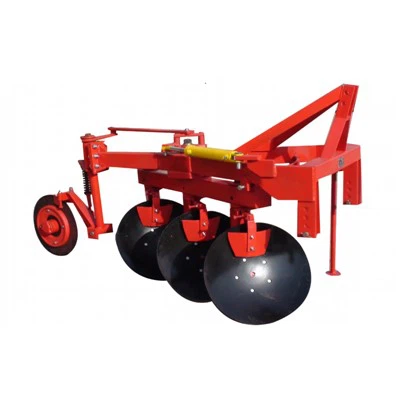
A Share Plow is a traditional soil - turning implement. It can be used to break up hard soil, but it may not be as effective as a driven harrow in terms of soil aeration and weed control. Also, a share plow can turn the soil too deeply, which may not be ideal for vineyards.
Real - World Examples
I've had many customers who have used our driven harrows for vineyard soil preparation, and the results have been impressive. One vineyard owner in California reported that after using our driven harrow, the vine growth improved significantly. The vines were more vigorous, and the grape quality was better.
Another customer in France noticed a reduction in weed growth in their vineyard after using a driven harrow. This saved them a lot of time and money on weed control measures.
Conclusion
So, can a driven harrow be used for vineyard soil preparation? Absolutely! It offers many advantages such as soil aeration, weed control, and relief from soil compaction. However, you need to be careful with the depth of tillage, timing, and vine protection.
If you're a vineyard owner looking for an effective way to prepare your soil, I highly recommend considering a driven harrow. Our company offers a wide range of driven harrows that are suitable for different vineyard sizes and soil conditions.
If you're interested in learning more about our driven harrows or have any questions about using them in your vineyard, don't hesitate to reach out. We're here to help you make the best decision for your vineyard. Let's work together to create a healthy and productive vineyard environment.
References
- "Vineyard Soil Management" - University of California Cooperative Extension
- "Agricultural Machinery and Equipment Handbook" - McGraw - Hill
- Personal experiences and feedback from customers