Torque is a fundamental concept in the operation of rotary tillers, playing a crucial role in determining their performance and efficiency. As a leading supplier of rotary tillers, I've witnessed firsthand the impact of torque on these essential agricultural machines. In this blog post, I'll delve into what torque is, how it affects a typical rotary tiller, and why it matters for farmers and agricultural workers.
Understanding Torque
Torque, often described as a rotational force, is what causes an object to rotate around an axis. In the context of a rotary tiller, torque is the force that drives the tiller's tines or blades to turn and break up the soil. It is measured in units of force multiplied by distance, typically Newton - meters (N·m) in the metric system or foot - pounds (ft - lb) in the imperial system.
To visualize torque, think of opening a jar. The force you apply to the lid, combined with the distance from the center of the lid (the axis of rotation), creates torque. The greater the force or the longer the distance from the axis, the more torque is generated, making it easier to open the jar. Similarly, in a rotary tiller, a higher torque allows the tines to penetrate and turn the soil more effectively.
Torque in a Typical Rotary Tiller
A typical rotary tiller consists of a power source, usually an engine or an electric motor, a transmission system, and a set of tines or blades. The power source generates the energy, which is then transferred through the transmission to the tines. The amount of torque available at the tines depends on several factors, including the power of the engine, the gear ratio of the transmission, and the design of the tiller itself.
Engine Power
The engine is the heart of a rotary tiller, providing the energy needed to generate torque. Generally, a more powerful engine can produce more torque. For small, residential - use rotary tillers, engines might range from 2 to 5 horsepower (hp), which can generate a relatively modest amount of torque. These tillers are suitable for light - duty tasks such as preparing small garden beds.
On the other hand, commercial - grade rotary tillers often have engines with 10 hp or more. These powerful engines can generate significantly higher torque, allowing the tiller to handle larger areas and tougher soil conditions. For example, a 15 - hp engine can produce enough torque to break through compacted clay soil or work in fields with a lot of vegetation.
Transmission System
The transmission system in a rotary tiller is responsible for transferring the power from the engine to the tines and controlling the speed and torque. Most rotary tillers use a gear - based transmission, which allows for different gear ratios. A lower gear ratio provides more torque but lower speed, while a higher gear ratio offers higher speed but less torque.
When tilling tough soil, operators often choose a lower gear to increase the torque at the tines. This extra torque helps the tines penetrate the soil more easily and reduces the strain on the engine. In contrast, when working in loose soil or for finishing passes, a higher gear can be selected to cover more ground quickly.
Tiller Design
The design of the tiller, including the shape, size, and number of tines, also affects the torque requirements. Tines with a more aggressive design, such as those with a curved or spiral shape, can dig into the soil more effectively but may require more torque to turn. Additionally, tillers with a larger number of tines or wider tilling widths need more torque to operate smoothly.
For instance, a tiller with a wide tilling width of 48 inches will need more torque to turn all the tines simultaneously compared to a 24 - inch tiller. Similarly, tillers with heavy - duty tines designed for deep tilling will require more torque than those with lighter tines for shallow cultivation.
Importance of Torque in Agricultural Operations
Torque is of utmost importance in agricultural operations for several reasons. Firstly, it directly affects the tiller's ability to break up and prepare the soil. Adequate torque ensures that the tines can penetrate the soil to the desired depth, creating a well - aerated and loose seedbed. This is crucial for proper seed germination and root development of crops.
Secondly, torque impacts the efficiency of the tilling process. A tiller with sufficient torque can work more quickly and with less effort, reducing the time and fuel consumption required to till a given area. This is especially important for large - scale farming operations, where time and cost savings can have a significant impact on the bottom line.
Finally, torque affects the durability and reliability of the rotary tiller. When a tiller is under - powered and lacks sufficient torque, the engine and transmission system have to work harder to complete the tilling task. This can lead to increased wear and tear, breakdowns, and costly repairs. On the other hand, a tiller with the right amount of torque operates more smoothly, reducing stress on the components and extending the machine's lifespan.
Related Agricultural Implements
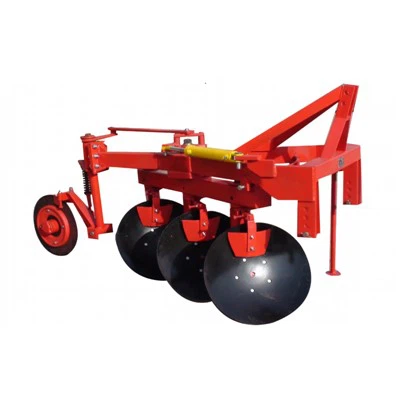
In addition to rotary tillers, there are other important agricultural implements that can complement tilling operations. For example, a Suspension Disc Harrow can be used after tilling to further break up clods and level the soil surface. It works by using a series of discs to cut through the soil, creating a finer seedbed.
A Grain Seeder is another essential implement for farmers. Once the soil is properly tilled, a grain seeder can accurately plant seeds at the right depth and spacing, ensuring optimal crop growth.
For tasks such as loading and moving materials around the farm, a Front End Loader is a valuable addition. It can be attached to a tractor and used to lift and transport heavy loads, such as hay bales, manure, or soil.


Contact for Purchase and Consultation
If you're in the market for a rotary tiller or have questions about torque and its importance in your agricultural operations, I'm here to help. As a trusted supplier of high - quality rotary tillers, I can provide you with detailed information about the torque requirements for different models and help you choose the right tiller for your specific needs. Whether you're a small - scale gardener or a large - scale farmer, I have the expertise and products to meet your agricultural equipment needs. Reach out to me for a consultation and let's discuss how a well - chosen rotary tiller can enhance your farming efficiency.
References
- "Agricultural Machinery and Equipment Handbook"
- "Principles of Agricultural Engineering"
- Technical manuals of various rotary tiller manufacturers