How long does the battery of an electric sprayer last? This is a question that many customers often ask us, as a leading Electric Sprayer supplier. The battery life of an electric sprayer is a crucial factor that affects its usability and efficiency, especially for those who rely on it for various spraying tasks, such as gardening, pest control, and agricultural applications. In this blog post, we will delve into the factors that influence the battery life of an electric sprayer and provide some practical tips to extend it.
Factors Affecting Battery Life
Battery Capacity
The capacity of the battery is one of the most significant factors determining how long an electric sprayer can operate. Battery capacity is typically measured in ampere - hours (Ah). A higher Ah rating means the battery can store more energy and, in theory, power the sprayer for a longer time. For example, a sprayer with a 2Ah battery will generally run for a shorter period compared to one with a 4Ah battery, assuming all other factors are equal.
Sprayer Power Consumption
The power consumption of the electric sprayer is directly related to its motor and the spraying mechanism. Different models of electric sprayers have motors with varying power ratings. High - power motors require more energy to operate, which will drain the battery faster. For instance, a heavy - duty Boom Sprayer designed for large - scale agricultural use usually has a more powerful motor than a small - scale handheld sprayer for home gardening. As a result, the boom sprayer will consume more battery power and have a shorter operating time per charge.
Spray Settings
The spray settings you choose also play a role in battery life. Most electric sprayers offer adjustable spray patterns and pressures. Using a high - pressure setting or a wide - angle spray pattern requires more power from the motor to force the liquid out at a greater speed or over a larger area. If you frequently use the high - power settings, the battery will be depleted more quickly. On the other hand, using a lower pressure and a more focused spray pattern can help conserve battery power.
Battery Age and Condition
Like all rechargeable batteries, the age and condition of the battery in an electric sprayer affect its performance. Over time, the battery's ability to hold a charge decreases. If the battery has been used for a long time or has been subjected to improper charging and discharging cycles, it may not last as long as a new battery. For example, if the battery is frequently over - charged or left in a discharged state for an extended period, its lifespan and capacity will be significantly reduced.
Average Battery Life Expectations
The average battery life of an electric sprayer can vary widely depending on the factors mentioned above. For small, handheld electric sprayers commonly used for home gardening, a fully charged battery can typically last between 30 minutes to 2 hours. These sprayers usually have relatively small batteries with capacities ranging from 1Ah to 2Ah and are designed for light - duty tasks.
Medium - sized electric sprayers, such as those used for small - scale agricultural or commercial applications, may have a battery life of 2 to 4 hours. These sprayers often come with batteries in the 2Ah to 4Ah range and are more powerful than handheld models.
Large - scale Boom Sprayers used in extensive agricultural fields may have a battery life of 4 to 8 hours or more, depending on the specific model and the spraying conditions. These sprayers are equipped with high - capacity batteries, sometimes even multiple batteries, to meet the high - power demands of large - area spraying.
Tips to Extend Battery Life
Proper Charging
Follow the manufacturer's instructions for charging the battery. Avoid over - charging or under - charging the battery. Most modern electric sprayer batteries are equipped with smart charging circuits, but it's still a good practice to unplug the charger once the battery is fully charged. Also, try to charge the battery at room temperature, as extreme temperatures can affect the charging process and the battery's lifespan.
Optimize Spray Settings
Use the lowest spray pressure and the most appropriate spray pattern for your task. If you don't need a high - pressure or wide - angle spray, choose a lower setting. This can significantly reduce the power consumption of the sprayer and extend the battery life.
Regular Maintenance
Keep the battery and the sprayer clean and well - maintained. Check the battery terminals for corrosion and clean them if necessary. Also, make sure the sprayer's motor and other components are in good working condition. A well - maintained sprayer will operate more efficiently and put less strain on the battery.

Battery Storage
If you're not going to use the electric sprayer for an extended period, store the battery properly. It's recommended to store the battery at around 50% charge in a cool, dry place. Avoid storing the battery in a fully charged or fully discharged state for a long time, as this can damage the battery.
Comparison with Other Sprayer Types
When comparing electric sprayers with other types of sprayers, such as Manual Sprayer and Fog Machine, the battery life factor becomes even more apparent.
Manual sprayers, as the name suggests, rely on manual pumping to generate pressure for spraying. They don't require a battery, so there's no concern about battery life. However, they are limited in terms of spraying capacity and efficiency, especially for large - scale tasks. You need to continuously pump the handle to maintain the spray pressure, which can be tiring and time - consuming.
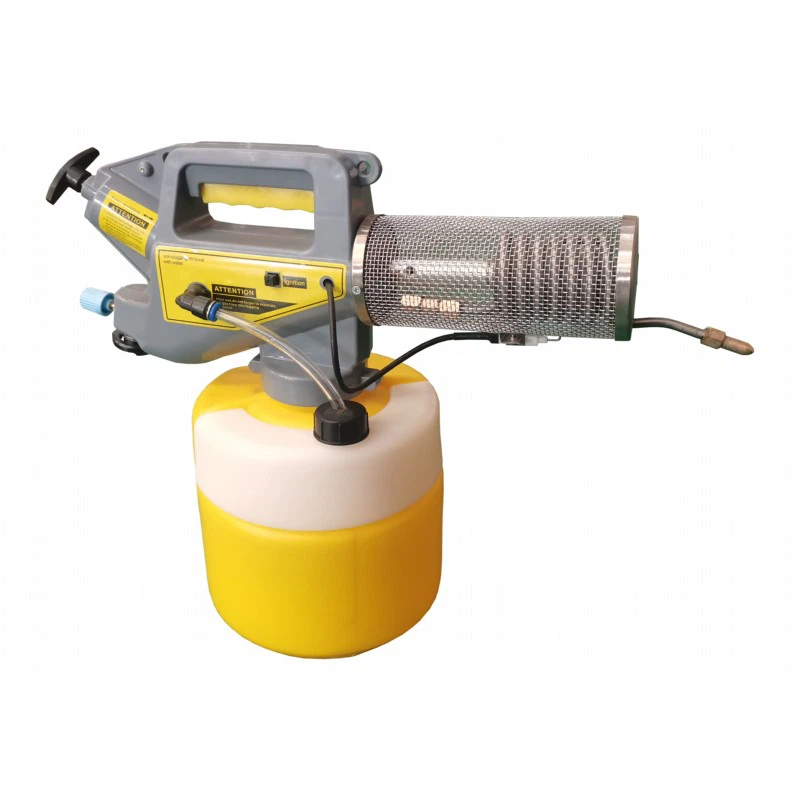
Fog machines, on the other hand, are often used for applications such as disinfection and pest control in large indoor or outdoor areas. Some fog machines are electric - powered and also rely on batteries. The battery life of fog machines can vary depending on their size and power requirements. Similar to electric sprayers, factors like power consumption and battery capacity affect their operating time. However, fog machines usually have a different spraying mechanism and may consume more power than traditional electric sprayers, resulting in a relatively shorter battery life in some cases.
Conclusion
In conclusion, the battery life of an electric sprayer is influenced by multiple factors, including battery capacity, sprayer power consumption, spray settings, and battery age and condition. By understanding these factors and following the tips to extend battery life, you can make the most of your electric sprayer.
As a professional Electric Sprayer supplier, we are committed to providing high - quality products with long - lasting battery performance. Our range of electric sprayers is designed to meet the diverse needs of our customers, from small - scale home use to large - scale agricultural applications.
If you are interested in our electric sprayers or have any questions about battery life or other aspects of our products, please feel free to contact us for further discussion and potential procurement. We look forward to working with you to find the best spraying solutions for your needs.
References
- Manufacturer's manuals of various electric sprayers
- Industry research on battery technology and sprayer performance
- Customer feedback and usage data collected over the years