As a supplier of Manual Sprayers, I've witnessed firsthand the distinct characteristics and applications of both manual and electric sprayers. In this blog, I'll delve into the differences between these two types of sprayers, exploring their features, advantages, and limitations to help you make an informed decision for your specific needs.
Power Source and Operation
The most fundamental difference between a manual sprayer and an Electric Sprayer lies in their power sources and operation mechanisms. A manual sprayer, as the name suggests, relies on human effort to generate pressure. Typically, you'll need to pump a handle or lever to build up pressure in the tank, which then forces the liquid through the nozzle. This process requires physical exertion, and the pressure may fluctuate depending on how vigorously you pump.
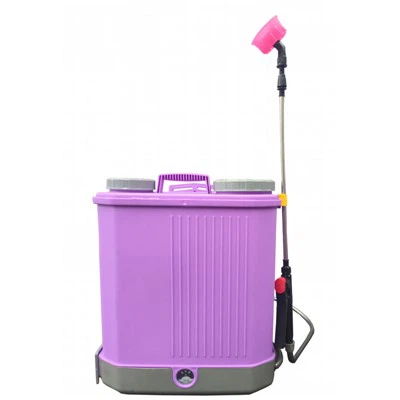
On the other hand, an electric sprayer is powered by electricity, either from a battery or a direct power source. Once you turn on the switch, the built - in motor automatically pressurizes the liquid, providing a consistent and continuous spray. This eliminates the need for manual pumping, making it more convenient, especially for large - scale or long - duration spraying tasks.
Pressure and Spray Output
Pressure is a crucial factor in determining the effectiveness of a sprayer. Manual sprayers usually have a limited pressure range. The maximum pressure you can achieve is often restricted by your physical strength. As a result, the spray output may not be as powerful or far - reaching as that of an electric sprayer. Manual sprayers are generally better suited for small - scale applications, such as spraying pesticides in a home garden or applying water to potted plants.
Electric sprayers, however, can generate higher and more consistent pressure. This allows for a more powerful and uniform spray, which is ideal for larger areas like agricultural fields, commercial lawns, or industrial cleaning. The consistent pressure also ensures that the liquid is evenly distributed, reducing the risk of under - or over - spraying.
Capacity and Mobility
When it comes to capacity, both manual and electric sprayers come in a variety of sizes. Manual sprayers are often available in smaller capacities, typically ranging from 1 to 5 liters. Their smaller size makes them highly portable and easy to carry around. You can easily move from one spot to another in your garden without much hassle. This portability is a significant advantage for tasks that require frequent repositioning.
Electric sprayers, on the other hand, can have larger capacities, sometimes up to 20 liters or more. While this allows for longer periods of continuous spraying without the need for frequent refilling, it also means that they are generally heavier and less mobile. If you need to move the sprayer over long distances or across uneven terrain, a manual sprayer may be a more practical choice.
Cost and Maintenance
Cost is an important consideration for many buyers. Manual sprayers are generally more affordable than electric sprayers. They have a simpler design and fewer components, which reduces the manufacturing cost. This makes them an attractive option for budget - conscious consumers or those with occasional spraying needs.
In terms of maintenance, manual sprayers are also relatively easy to maintain. They have fewer mechanical parts that can break down, and most repairs can be done with basic tools. You just need to clean the tank and nozzle regularly to prevent clogging.
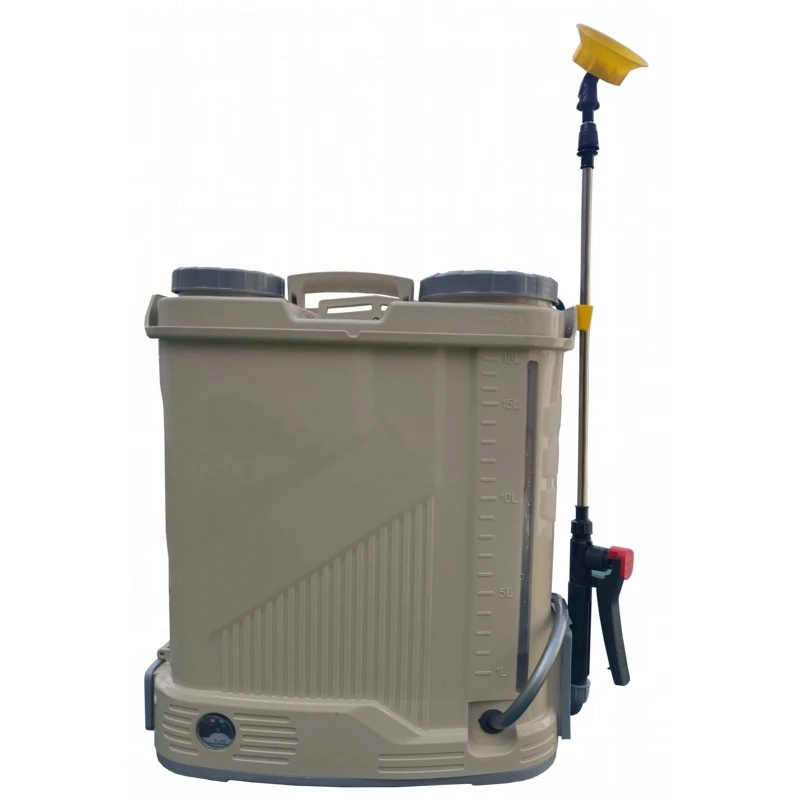

Electric sprayers, due to their more complex design and the presence of a motor, are more expensive. Additionally, if the motor or other electrical components malfunction, repairs may require specialized knowledge and tools. However, many modern electric sprayers come with warranties, which can help offset the potential repair costs.
Application and Suitability
The choice between a manual sprayer and an electric sprayer also depends on the specific application. As mentioned earlier, manual sprayers are well - suited for small - scale tasks. For example, if you want to spray a small vegetable garden, a manual sprayer can provide sufficient coverage. You can precisely control the spray pattern and amount of liquid, which is important when dealing with delicate plants.
Electric sprayers are better for larger - scale applications. In agriculture, they can be used to spray fertilizers, pesticides, or herbicides over large fields. In the cleaning industry, they are used for applying disinfectants or detergents in commercial buildings. Their high - pressure and large - capacity features make them more efficient for these types of tasks.
Another aspect to consider is the type of liquid being sprayed. Some viscous liquids may be more difficult to spray with a manual sprayer due to the limited pressure. Electric sprayers, with their higher pressure capabilities, can handle a wider range of liquid viscosities.
Additional Considerations: Fog Machines
In addition to manual and electric sprayers, there is also the option of a Fog Machine. Fog machines are designed to create a fine mist or fog, which can be useful for applications such as mosquito control, disinfection in large spaces, or creating special effects. Unlike sprayers, which typically produce a more directed stream of liquid, fog machines disperse the liquid in a cloud - like form.
While fog machines have their own unique advantages, they are not always a direct substitute for sprayers. If you need a precise application of liquid, such as targeting specific plants or areas, a sprayer (either manual or electric) is a better choice. However, for wide - area coverage and applications where a fine mist is required, a fog machine may be more suitable.
Conclusion
In conclusion, both manual sprayers and electric sprayers have their own strengths and weaknesses. Manual sprayers are affordable, portable, and easy to maintain, making them ideal for small - scale, occasional spraying tasks. Electric sprayers, on the other hand, offer higher pressure, larger capacities, and more consistent spray output, which are better suited for large - scale and professional applications.
If you're in the market for a sprayer, carefully consider your specific needs, budget, and the type of tasks you'll be performing. As a supplier of Manual Sprayers, I'm always happy to assist you in making the right choice. Whether you're a home gardener, a professional landscaper, or an industrial cleaner, I can provide you with high - quality manual sprayers that meet your requirements.
If you're interested in purchasing manual sprayers or have any questions about our products, please don't hesitate to contact us. We're looking forward to discussing your needs and helping you find the perfect spraying solution.
References
- "Sprayer Technology Handbook" - A comprehensive guide on different types of sprayers and their applications.
- Industry reports on the market trends of manual and electric sprayers.